David Sacks Concludes Role as Donald Trump’s Cryptocurrency and AI Advisor
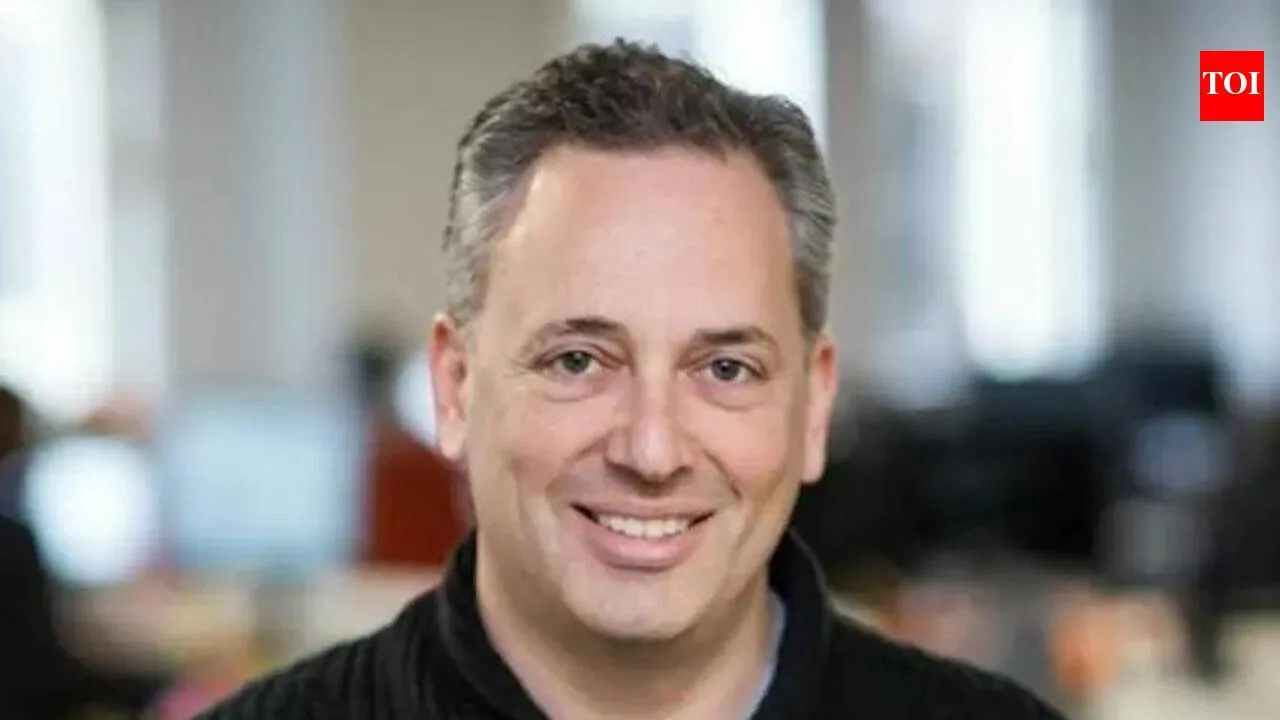
David Sacks Concludes Role
David Sacks, a prominent venture capitalist and former member of the PayPal Mafia, is stepping aside from his role as President Donald Trump's special adviser on artificial intelligence and cryptocurrency. Sacks recently stated to Bloomberg that he has "used up" his 130 days as a special government employee.
New Role at PCAST
Moving forward, Sacks will serve as co-chair of the President's Council of Advisors on Science and Technology (PCAST). He expressed his belief that in this position he can impact a broader selection of technology matters, beyond just AI.
PCAST's Expanded Scope
PCAST, a federal advisory committee, is made up of industry and academic experts. This group provides evidence-based recommendations to the president on important matters in science, technology, and innovation policy.
Continued Influence
While Sacks transitions, he will still promote initiatives from Trump's recently revealed AI framework, in addition to providing insights on sectors like semiconductors, quantum computing, and nuclear power.
Sacks' Impact in Tech Policy
Throughout Trump's second term, Sacks has been a key figure advising on technology policy and contributed significantly to shaping the administration's AI objectives. The administration's agenda aims to establish a national regulatory framework and strengthen U.S. competitiveness in emerging technologies.
Engagement with Technology Industry
As a co-founder of Craft Ventures, Sacks has a notable reputation in Silicon Valley, recognized for his extensive connections in the tech sector. His past actions include selling over $200 million in digital asset-related investments, underlining his substantial influence in the cryptocurrency space.
Broader Implications
Despite the recent debates caused by his comments regarding the Iran conflict, Sacks clarified that his views align with Trump's efforts to resolve the situation.
This article was prepared using information from open sources in accordance with the principles of Ethical Policy. The editorial team is not responsible for absolute accuracy, as it relies on data from the sources referenced.