U.S.-Iran Negotiations: Ceasefire and Its Impact on the Middle East
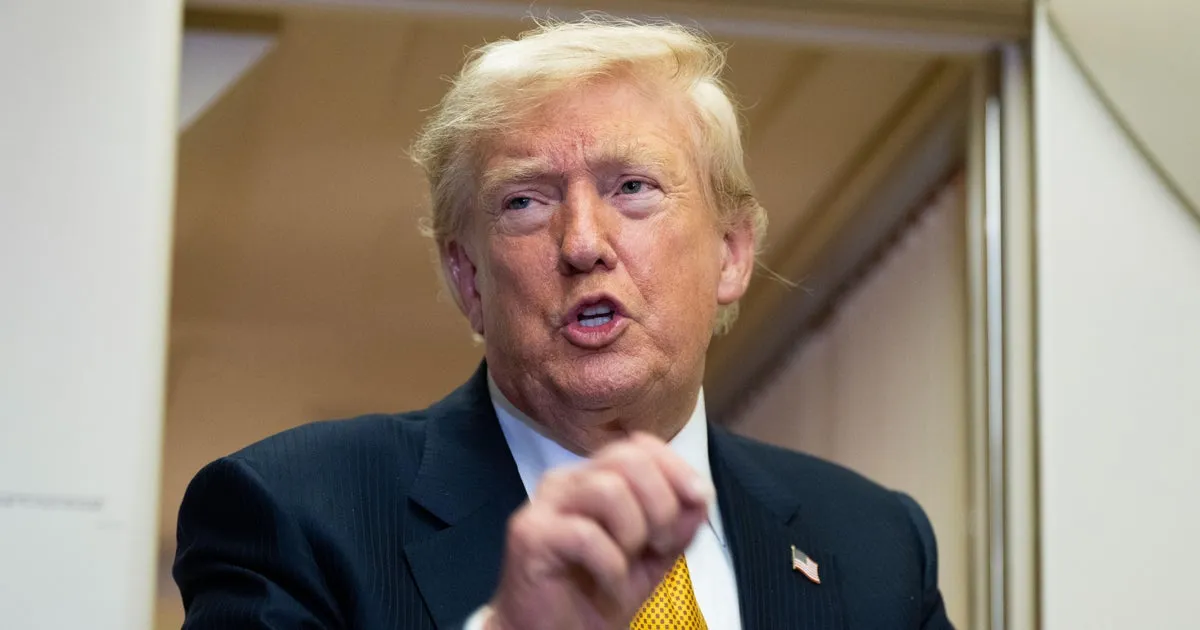
Ceasefire and War: Understanding U.S.-Iran Dynamics
As the situation intensifies, the ceasefire between the U.S. and Iran seems strained. The U.S. continues to actively negotiate despite President Trump's recent statements indicating a cessation of hostilities. The Strait of Hormuz remains a focal point for both nations, highlighting its geopolitical significance in the ongoing conflict.
The Role of the Strait of Hormuz
Strategically located, the Strait of Hormuz is crucial for global oil transport, making any conflict in the region a matter of international concern. The U.S. aims to ensure that this vital route remains open, further complicating the ceasefire status.
Potential Outcomes of U.S.-Iran Negotiations
- Increased Diplomatic Engagement: Future talks may lead to a more stable ceasefire.
- Ripple Effects: Increased tensions could affect global markets, particularly oil prices.
- Regional Security: The negotiations could ultimately redefine security in the Middle East.
This article was prepared using information from open sources in accordance with the principles of Ethical Policy. The editorial team is not responsible for absolute accuracy, as it relies on data from the sources referenced.