Follow Up on Parliamentary Panel Recommendations Impacting Crypto Policy
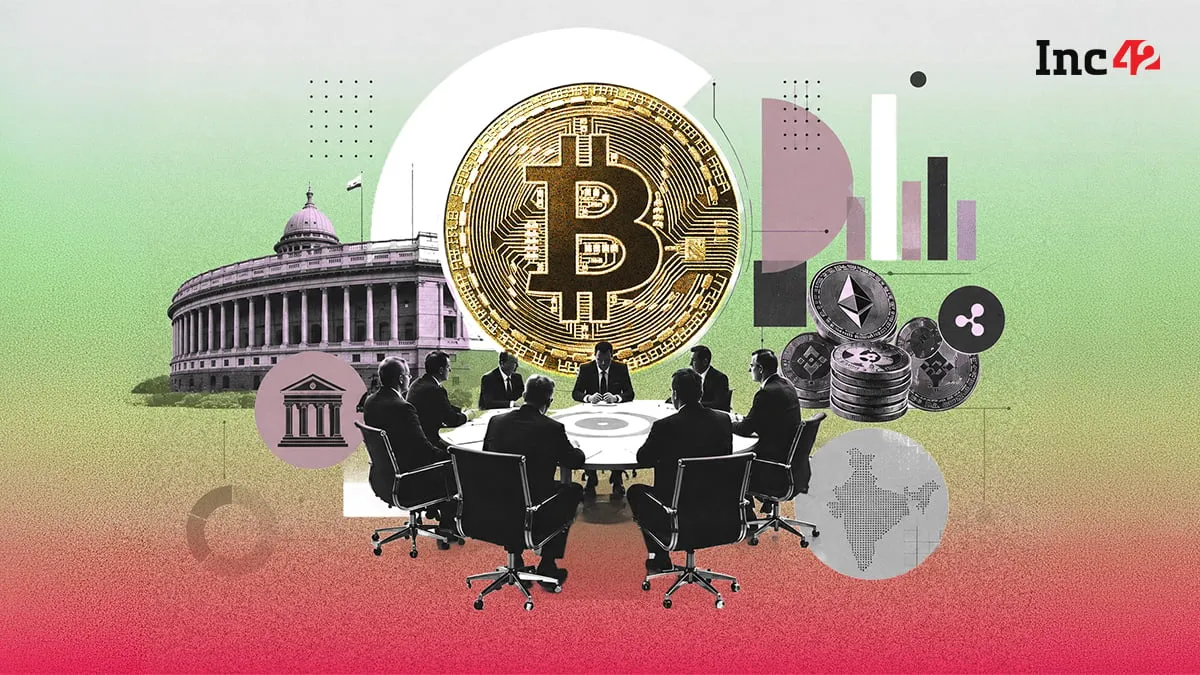
Follow Up on Crypto Policy Developments
India's crypto policy landscape may finally shift as the Parliamentary Standing Committee on Finance proposes new recommendations. These suggestions offer hope for a more structured regulatory environment for virtual digital assets (VDAs). According to reports, the committee seeks to establish an interim regulatory mechanism through a self-regulatory organization (SRO), which could define how crypto investment products are treated under law.
Significant Industry Responses
Industry leaders, including Mudrex CEO Edul Patel and Binance's SB Seker, acknowledge this as a critical step toward recognizing the unique characteristics of VDAs amidst unclear regulations. They emphasize the need for regulations that account for the different roles digital assets play within the economy.
Tokenisation of Assets
Furthermore, the committee's suggestions could influence the tokenisation of traditional assets, encouraging broader changes in India's financial framework. Many see this as an evolution rather than the introduction of a new asset class, stressing that legal and market protections must still be established for successful widespread adoption.
The Role of a Self-Regulatory Organisation
While the committee's proposal for an SRO encourages industry support, experts warn that such an organization should complement, not replace, government regulatory powers. The effectiveness of this approach will depend on its governance standards and overall transparency.
As discussions continue, the impact of these recommendations on India's crypto policy remains uncertain. However, they have reinitiated critical conversations within the industry that have been stagnant for too long.
This article was prepared using information from open sources in accordance with the principles of Ethical Policy. The editorial team is not responsible for absolute accuracy, as it relies on data from the sources referenced.