Iran Disinformation on X: Social Media Challenges Amid Middle East Crisis
Heightened Disinformation on X
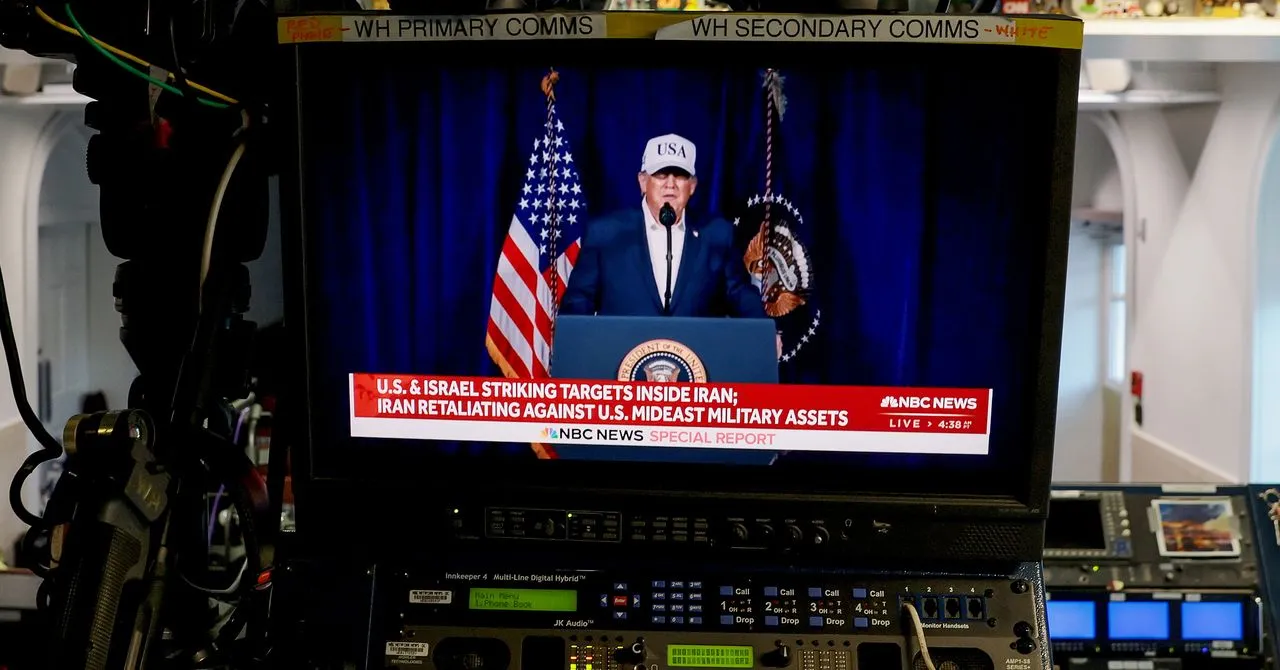
In the wake of the US and Israeli attack on Iran, disinformation on X has surged, primarily fueled by user-generated content that often lacks factual verification. Elon Musk’s leadership of the platform has encouraged a chaotic spread of misleading narratives, reminiscent of past events where false information became widespread. With several viral posts attributing incorrect footage and images to the attack, the platform has struggled to maintain a semblance of trustworthiness.
Example Instances of Misleading Content
- A viral video incorrectly claimed to show missiles over Dubai, which were actually Iranian missiles from a previous conflict.
- Another notable clip purported to depict an Israeli jet being brought down, despite no verified reports confirming such events.
- Pro-Iranian accounts have propagated false claims paired with misleading visuals that do not represent current occurrences.
The Role of Verification on Social Media
The dilemma faced by platforms like X is becoming increasingly pronounced as they encounter intensified scrutiny concerning fact-checking and accountability. As disinformation thrives especially under high-pressure incidents, the need for effective content moderation strategies becomes critical.
This article was prepared using information from open sources in accordance with the principles of Ethical Policy. The editorial team is not responsible for absolute accuracy, as it relies on data from the sources referenced.