Climate Change and Severe Weather Threaten Homeowners Insurance Affordability
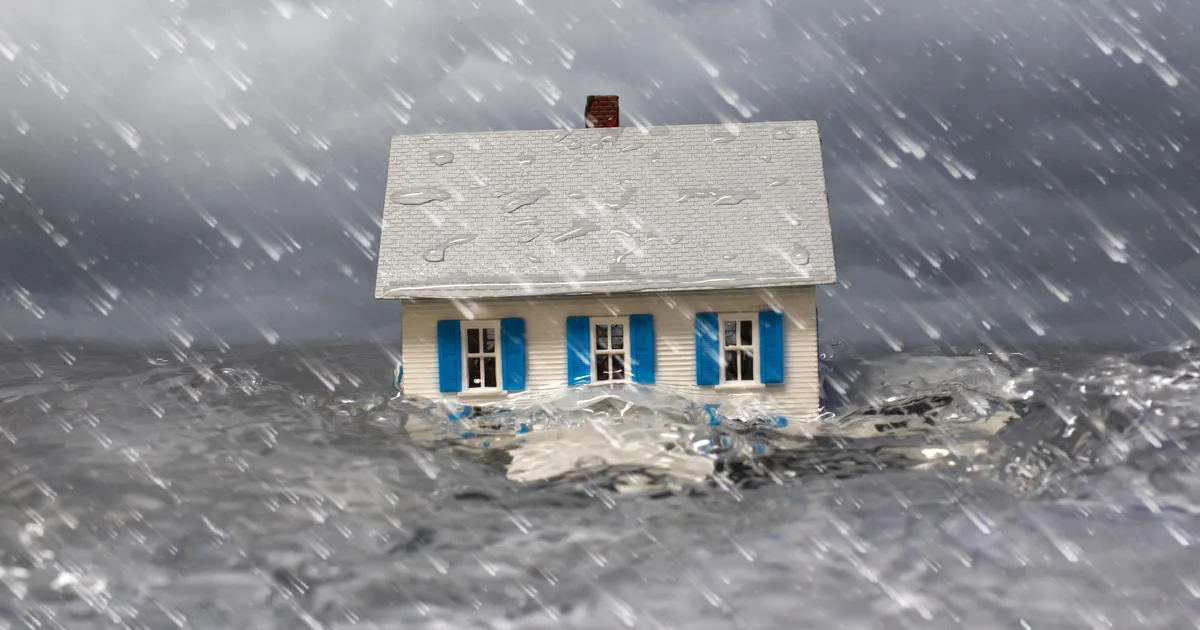
Extreme Weather Events and Homeowners Insurance Costs
Climate change is reshaping the financial landscape for homeowners, with severe weather events causing insurance costs to soar across states like Nebraska, California, and Florida. Hurricanes, floods, and wildfires are not mere natural disasters; they are financial threats that push homeowners' insurance premiums to unprecedented heights. A recent analysis revealed that the average cost of homeowners insurance in the U.S. is now $2,285 annually for coverage on a property valued at $300,000. As extreme weather events become more frequent, understanding the dynamics of these inflated costs is essential for current and prospective homeowners.
The Growing Costs and Risks
- Homeowners in Lousiana face stark increases in insurance costs due to hurricane threats.
- Wildfires continue to ravage parts of California, driving premiums even higher.
- Severe storms in Florida increase financial risks for homeowners seeking coverage.
Insurance companies are grappling with the implications of rising climate risks, leading to a reevaluation of coverage options across vulnerable regions. In some instances, homes are deemed uninsurable due to their high-risk status—an alarming trend that could affect the housing market significantly.
This article was prepared using information from open sources in accordance with the principles of Ethical Policy. The editorial team is not responsible for absolute accuracy, as it relies on data from the sources referenced.