Local Governments Confront Debt Challenges as China Urges Strict Oversight
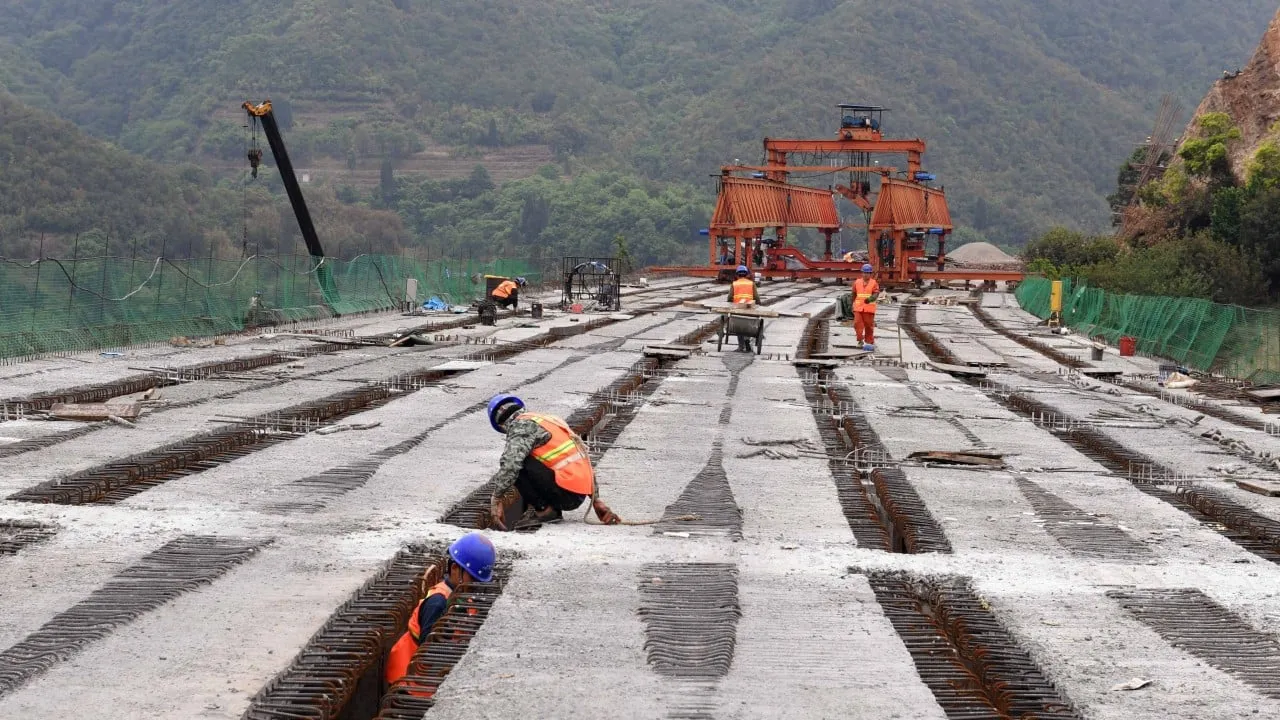
Government Debt and Economic Growth in China
China’s top legislature has issued a new order to curb the rise of hidden debts across the country, as some local authorities have launched last-ditch efforts to meet this year’s economic growth target.
In a local-debt-supervision report delivered last week, Xu Hongcai, head of the National People’s Congress (NPC)’s budgetary affairs body, revealed that a number of local governments were not strict enough in implementing budgetary and debt-management policies.
The Debt Accountability Crisis
“Some have not followed the accountability system,” he warned. The conclusion came as lawmakers inspected the debt-management efforts among 20 local-level governments as rising levels of debt have severely affected construction projects and pose a threat to the national financial system.
“We must strictly implement a lifelong accountability system… so that all new, hidden and unrealised debts can be held accountable,” said a document made public on Saturday.
Risks and Issues within Local Governments
Beijing has sought to curb unchecked borrowing by local governments. The risks involving local government financing vehicles (LGFVs) have risen significantly. These vehicles are hybrid entities created to skirt restrictions on local government borrowing.
- Property Crisis: The ongoing property crisis exemplifies local governments’ over-reliance on property market sales as a major source of income.
- Deleveraging Campaign: This has prompted Beijing to order a deleveraging campaign amid increasing debt risks.
Yunnan's Response to Debt Challenges
Yunnan, one of the nation's most indebted provinces, has launched a 100-day campaign for “boosting growth” to “meet targets before year’s end,” according to an official statement published on Sunday. The campaign's targets include:
- Mitigating challenges faced by private companies.
- Alleviating risks in the construction and property sectors.
- Strengthening Consumption: Improving the business environment for foreign trade.
Yunnan’s debt totaled 1.2 trillion yuan (US$169.4 billion) in 2022, surpassing its fiscal income by around 500 billion.
Assessing China's Overall Debt
Finance minister Lan Foan stated that China's statutory government debt stood at 70.77 trillion yuan at the end of 2023, equivalent to 56.1 percent of national GDP. A local-debt-monitoring system will be implemented to avoid new hidden debts.
While China has a lower debt-to-GDP ratio compared to developed countries, many institutions warn that debt size has been underestimated, not accounting for implicit liabilities stemming from LGFVs and other channels.
Although estimates on China's hidden debt vary widely, it could range between 30 trillion and 50 trillion yuan, with considerable portions arising from informal borrowing methods such as LGFVs.
This article was prepared using information from open sources in accordance with the principles of Ethical Policy. The editorial team is not responsible for absolute accuracy, as it relies on data from the sources referenced.