Federal Reserve's Rate Cut and Its Impact on Inflation and Government Spending
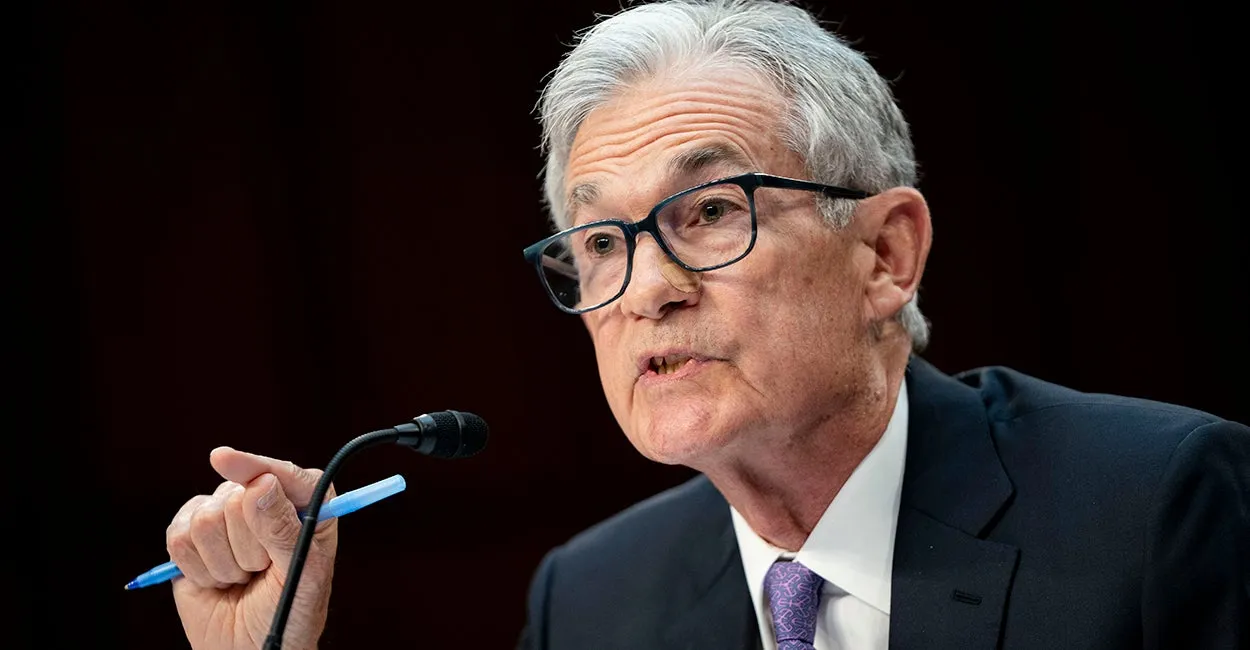
Federal Reserve's Decision to Cut Interest Rates
The Federal Reserve is cutting interest rates in an effort to address rising inflation. This bold move is expected to ease some of the financial pressures faced by consumers, but it raises complications regarding national debt and government spending. With consumers already grappling with a heavy financial burden, the decision to reduce rates could have widespread economic implications.
Understanding the Economic Impact
This rate cut could influence the money supply and stimulate economic activity. However, there’s a fine line to tread; increased federal spending without careful management might exacerbate inflation rates further.
- Potential increase in consumer spending.
- Higher risk of inflation persistence.
- Impact on national debt levels.
- Future rate cuts may depend on economic indicators.
Future Implications
The actions taken by the Federal Reserve will play a crucial role in shaping the upcoming elections, as economic conditions heavily influence voter sentiment. The congressional budget office will undoubtedly be scrutinizing how these decisions impact the national economic landscape.
This article was prepared using information from open sources in accordance with the principles of Ethical Policy. The editorial team is not responsible for absolute accuracy, as it relies on data from the sources referenced.