Traditional Rituals and Economic Challenges Facing China’s Funeral Service Providers
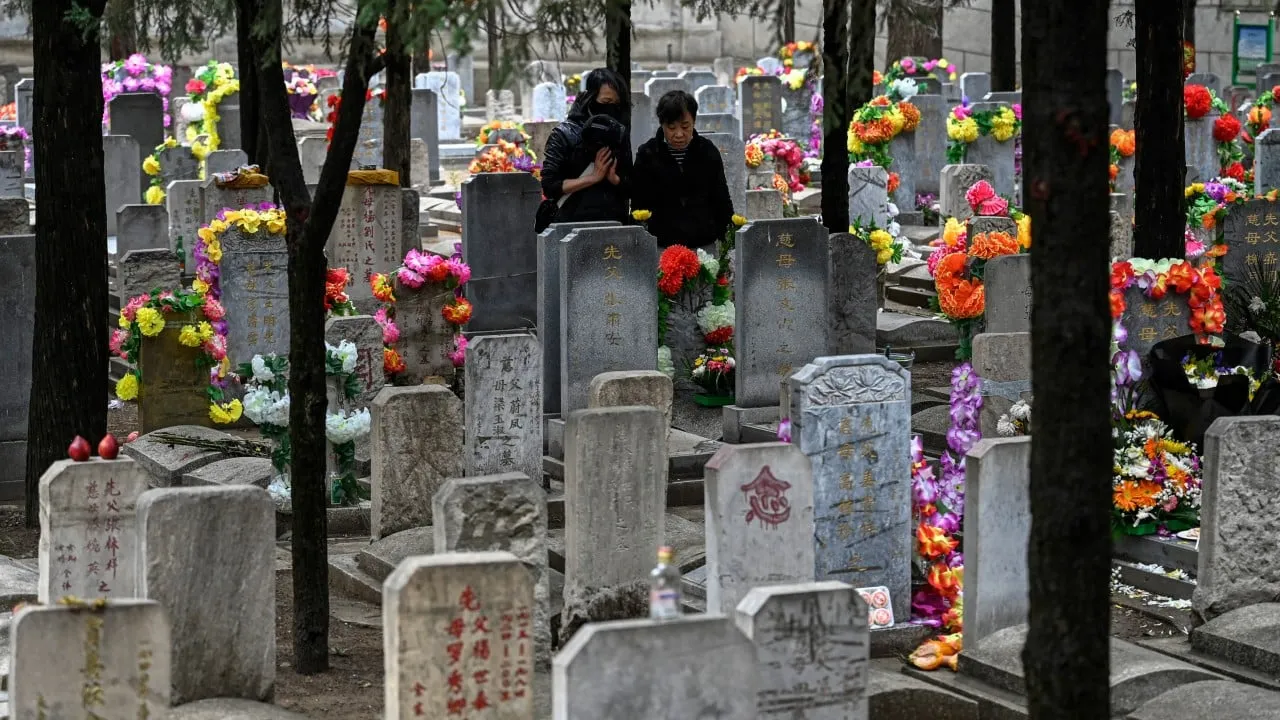
Economic Environment Strains Funeral Services
As China faces a significant economic downturn, traditional rituals surrounding funeral services are not immune to the financial pinch. Leading companies such as Fu Shou Yuan reported a staggering 30 per cent drop in revenue during the first half of 2024, totaling 1.1 billion yuan (approx. US$154 million). This downturn can be attributed to both cautious consumer spending and demographic challenges exerting pressure on the sector.
Declining Revenue and Consumer Spending Trends
During this period, economic conditions have led customers to adopt more cautious spending habits. Reports indicated that Fu Shou Yuan's net profits plummeted by 35 per cent year on year, reflective of the ongoing cautious consumer sentiment. Consumers are increasingly delaying decisions regarding grave purchases, influenced by an economic climate full of uncertainties.
- Grave sales saw a 31.5 per cent decrease, amounting to 6,682 graves sold.
- Significant revenue losses were also noted in northeast markets like Liaoning.
- The average price for graves exceeding 100,000 yuan adds to the financial pressure on consumers.
Demographic Challenges Ahead
With fewer births and an aging population, traditional rituals face a demographic challenge. The number of people aged 60 and above in China is nearing 297 million, indicating a broader trend of increasing mortality rates. Experts expect that annual deaths could rise dramatically by 2061, putting further strain on the funeral service industry.
Emerging Trends: Virtual Graves and Alternatives
To cope with high burial costs, consumers are exploring alternatives like virtual graves and affordable housing for storing ashes, revealing a shift in attitudes toward traditional burial practices. State investment in cemetery services is also evolving as consumer preferences adapt in various economic environments. This combination of factors indicates significant transformations in how funerals and burials are approached within Chinese culture.
This article was prepared using information from open sources in accordance with the principles of Ethical Policy. The editorial team is not responsible for absolute accuracy, as it relies on data from the sources referenced.