Politics and Tech: Supreme Court Justice Alito Considers AI's Role in Courtroom Decisions
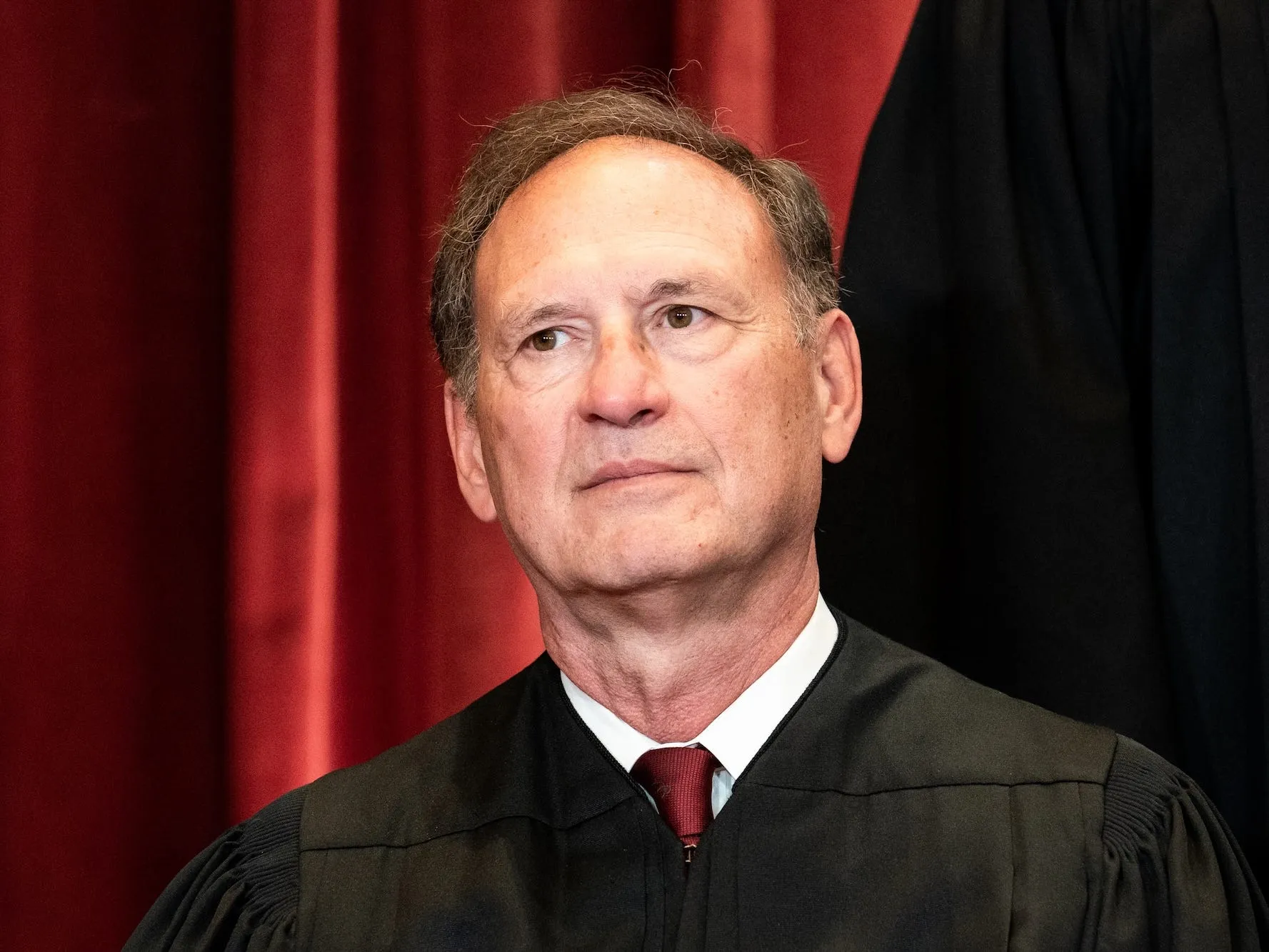
Politics and Tech in the Supreme Court
During a recent court session, Supreme Court Justice Samuel Alito made headlines by jokingly asking if Claude AI could decide a high-profile case. The humor masked deeper discussions on the intersection of politics and technology in the judiciary.
AI in Judicial Decision-Making
The context of this humorous inquiry revolved around Jules v. Andre Balazs Properties, a case highlighting arbitration confirmations. Alito's comment reflects a growing curiosity surrounding the potential of AI technologies to influence legal decisions.
- Adam Unikowsky, a lawyer and vocal AI advocate, has explored using Claude in law.
- His experiments have shown that AI can provide reasonable conclusions in judicial contexts.
- Unikowsky suggests that courts may benefit from incorporating technology into oral arguments.
The Future of AI in Law
This incident sparks a broader conversation about how AI could reshape legal practices, endorsing a future where tech plays an integral part in judicial processes. With figures like Alito entertaining the idea, the journey of courtrooms adapting to technological advancements seems imminent.
This article was prepared using information from open sources in accordance with the principles of Ethical Policy. The editorial team is not responsible for absolute accuracy, as it relies on data from the sources referenced.