Iran War Could Trigger Economic Recession, Warns Dimon
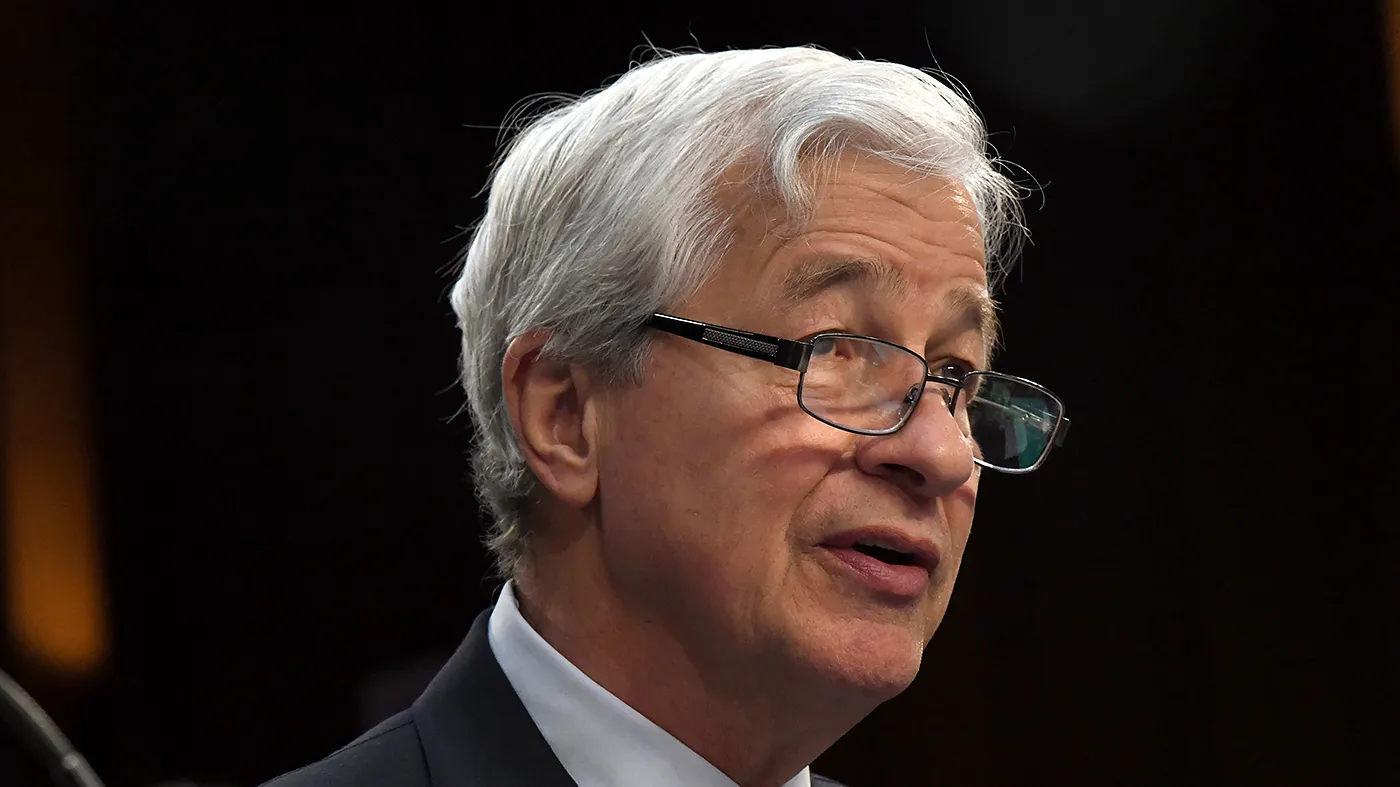
Iran War Could Lead to Economic Recession
In recent statements, JPMorgan Chase CEO Jamie Dimon cautioned that the Iran war could inject a wave of prolonged inflation and higher interest rates, ultimately risking a U.S. recession. Dimon described the potential scenario, suggesting that rising inflation rates might affect economic stability as early as 2026.
Inflation and Interest Rates Heightened by Conflict
The ramifications of persistent conflict could strain financial markets. Should these tensions escalate, the pressure on economic recovery would intensify, leading to increased borrowing costs and reduced consumer spending.
- Risks of inflation and interest rate hikes
- Potential for a recession by 2026
- Impact on financial markets
Market Reactions to Dimon's Warnings
Financial analysts are closely monitoring developments with Iran, assessing how reactions might sway global markets and investor sentiment. The uncertainties could trigger shifts across various sectors.
This article was prepared using information from open sources in accordance with the principles of Ethical Policy. The editorial team is not responsible for absolute accuracy, as it relies on data from the sources referenced.