United Kingdom's Potential Budget Rule Tweaks Under Rachel Reeves
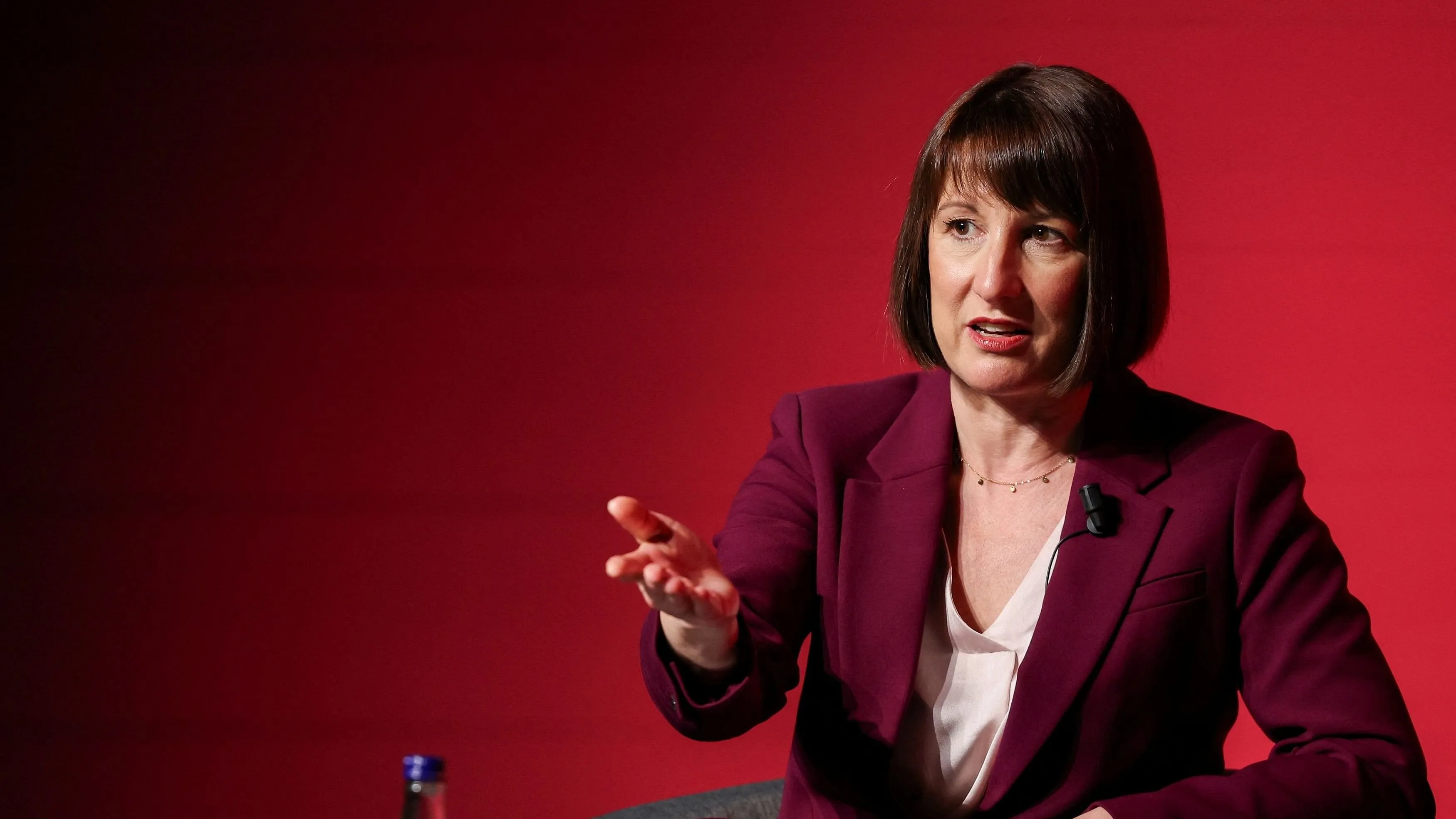
London: British finance minister Rachel Reeves has suggested she will give the country's new government more leeway to borrow as part of her attempts to get the economy growing more quickly. Here are some options which could give more wiggle room for borrowing and spending to Reeves, who is mindful of the chaos that engulfed Britain's bond markets in 2022 when former prime minister Liz Truss promised huge, unfunded tax cuts.
Main Fiscal Rule Analysis
The main fiscal rule set by the former Conservative government required debt to be falling as a share of gross domestic product between the fourth and fifth year of projections produced by Britain's official budget forecasters. In their most recent projections in March, the forecasters estimated that the then Conservative government was on track to meet this by a narrow margin of 9 billion pounds ($12 billion).
Reeves' Challenges and Opportunities
- Reeves has said there is a further 22 billion-pound hole in public finances for this financial year alone.
- She plans to remove public investment from annual budget deficit calculations.
Debt Measurement Adjustments
- A change in the measure of debt used in the fiscal rule could provide extra headroom.
- Excluding losses incurred by the Treasury from BoE’s past asset purchases may further improve flexibility.
- Moving the National Wealth Fund off government books could yield additional borrowing capacity.
Broader Fiscal Considerations
Potential reforms could shift focus from traditional debt levels to include a broader measure that values public assets, which could steer the government towards quality investments. However, this approach may face challenges in valuing non-liquid assets. The IFS noted that while new measures are crucial, traditional debt assessments should also be prioritized in fiscal policy.
This article was prepared using information from open sources in accordance with the principles of Ethical Policy. The editorial team is not responsible for absolute accuracy, as it relies on data from the sources referenced.