Iran's Impact on Inflation: Consumer Price Index Challenges Take Center Stage
Iran's Role in Recent Inflation Surge
In March, Iran's ongoing conflict led to a significant spike in inflation, as evidenced by the Consumer Price Index (CPI) hitting a staggering 3.3% annual rate. Energy costs surged dramatically due to disruptions in oil supply through the Strait of Hormuz, a critical chokepoint.
Numbers that Tell the Story
- Economists predicted a rise: Inflation was expected to increase by nearly one percentage point from 2.4% in February to 3.3% in March.
- Energy prices soared: The CPI data indicated an astonishing 10.9% rise in energy prices, primarily fueled by gasoline costs.
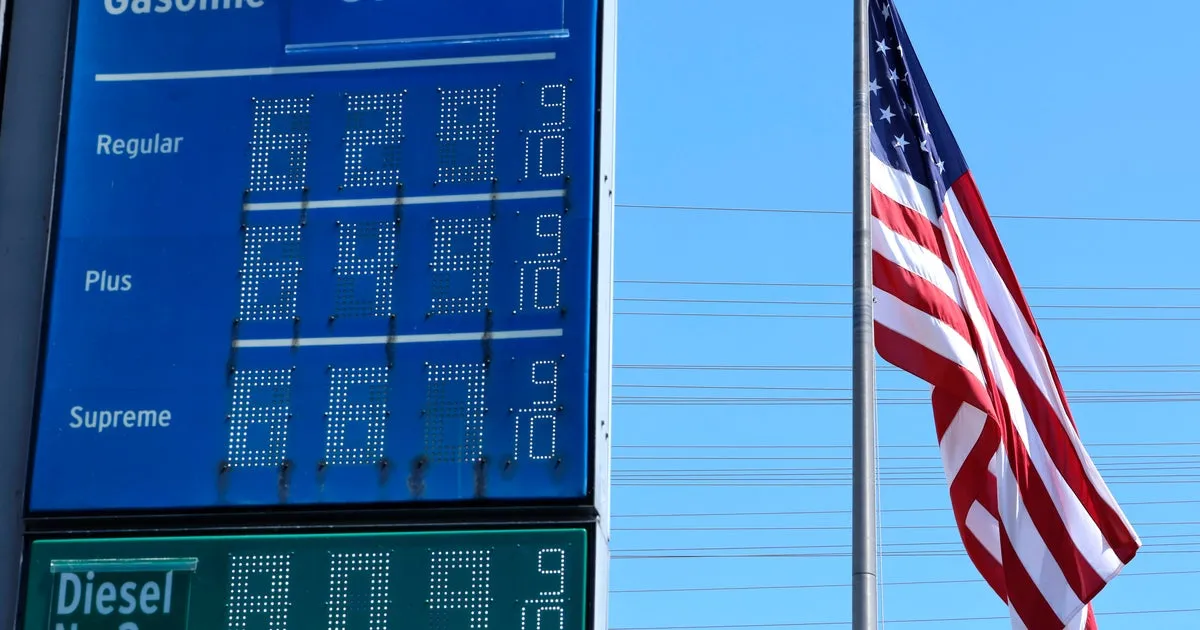
- Gasoline prices alone experienced a historic monthly increase of 21.2%, marking the largest recorded since 1967.
Brent crude oil, trading at $73 a barrel before the conflict began, saw its rate escalate to $95.88 just days later. The rise aligns with a nearly 40% increase in gasoline prices since hostilities erupted, now averaging $4.15 per gallon.
Core Inflation Insights
Meanwhile, core inflation, which excludes volatile energy prices, saw a modest increase of 0.2% month-over-month and 2.6% year-over-year. Analysts remain cautious as a two-week ceasefire could stabilize prices, but significant relief is not anticipated in the short term.
This article was prepared using information from open sources in accordance with the principles of Ethical Policy. The editorial team is not responsible for absolute accuracy, as it relies on data from the sources referenced.