AI Training Controversy: Anthropic Wins Ruling on Copyright but Must Face Trial
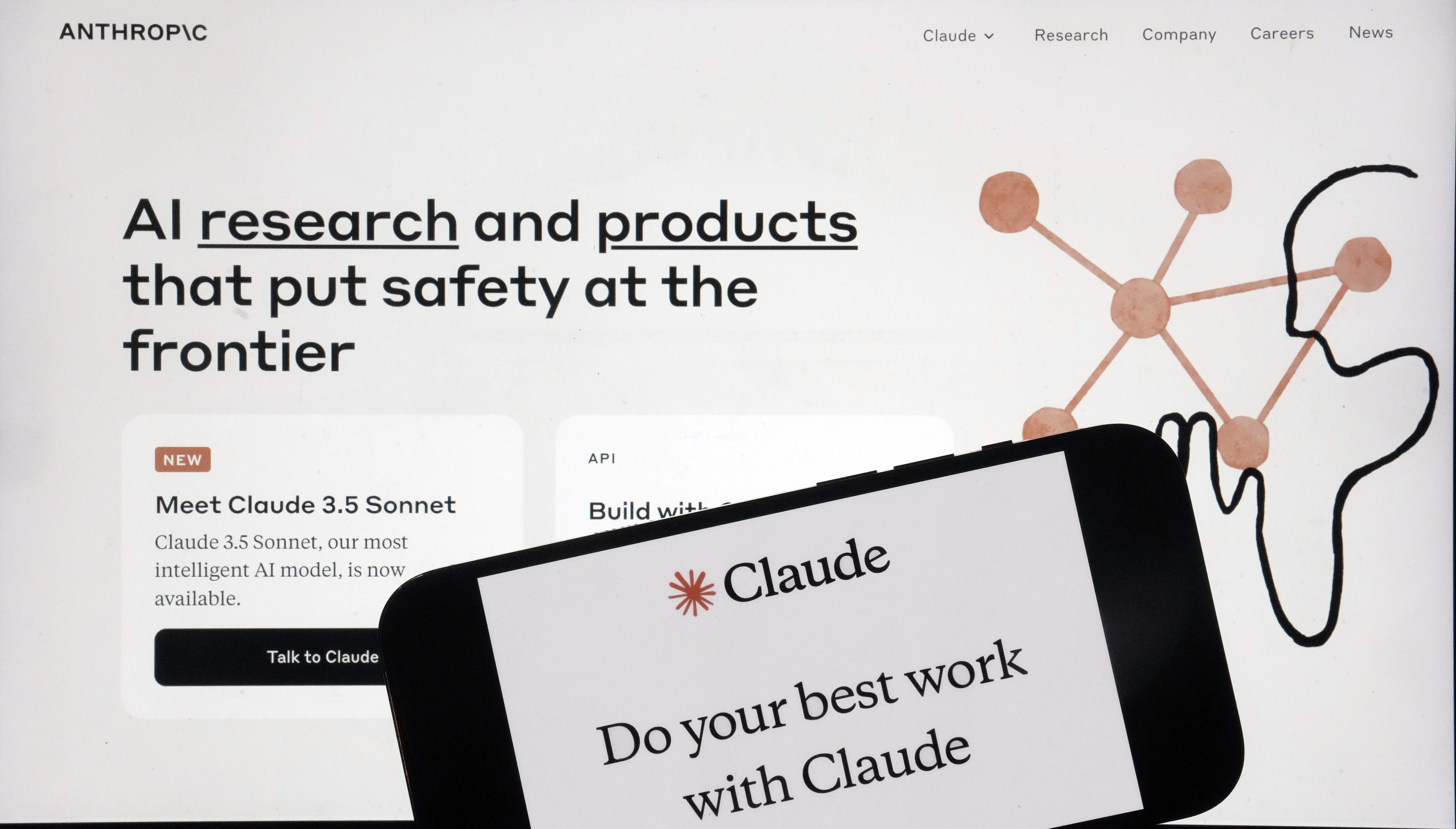
AI Training Controversy and Copyright Lawsuit Facing Anthropic
In a significant ruling impacting the artificial intelligence sector, Anthropic successfully argued that its training method for the chatbot Claude did not violate copyright law. The U.S. District Judge William Alsup indicated that the process of machine learning through existing texts constituted a form of transformative fair use under copyright laws. Despite this victory, Anthropic still faces legal challenges regarding the acquisition of works from online shadow libraries of pirated content.
Trial Ahead Over Allegations of Piracy
Judge Alsup clarified that while Anthropic can demonstrate fair use in its training processes, the company cannot justify using pirated copies. Lawsuits from authors Andrea Bartz, Charles Graeber, and Kirk Wallace Johnson claim that the actions of Anthropic represent large-scale theft from their works. This ongoing legal battle underscores the need for clearer guidelines surrounding copyright in the context of rapid AI development.
Implications for the AI Industry
- The ruling is poised to set a reference point for similar cases involving AI developers, including OpenAI and Meta Platforms.
- Anthropic's practices, despite asserting a commitment to responsible AI, are scrutinized for utilizing pirated materials in building AI capabilities.
- Strategies to enhance legal compliance, such as employing experts from Google Books, illustrate a shift in the company’s approach to data acquisition.
This case reflects the broader tension between technological innovation and intellectual property rights, raising critical questions for the future of AI development.
This article was prepared using information from open sources in accordance with the principles of Ethical Policy. The editorial team is not responsible for absolute accuracy, as it relies on data from the sources referenced.