Budget Cuts Impacting Foreign Aid and Public Broadcasting: Bipartisan Concerns Surround Vought's Proposal
Proposed Budget Cuts and Bipartisan Backlash
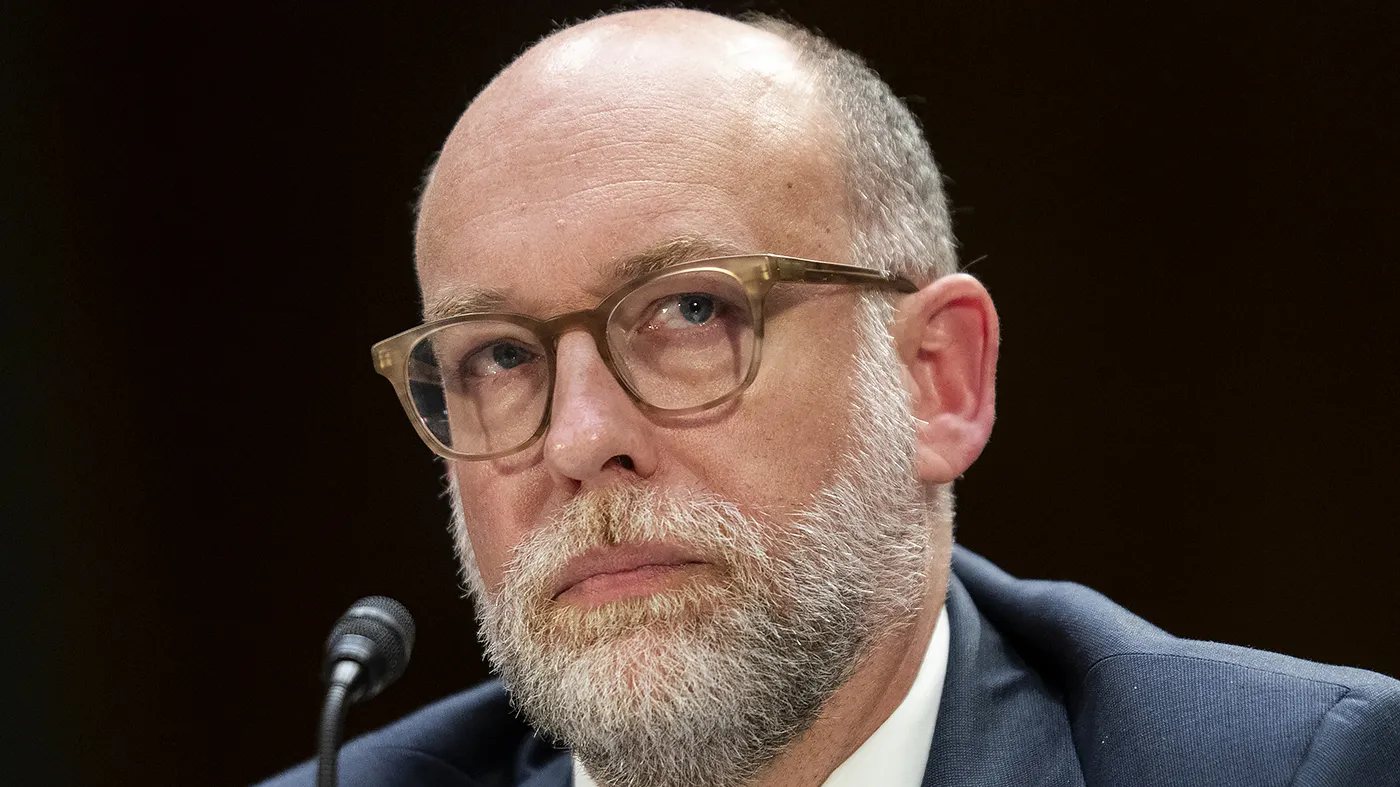
White House budget chief Russell Vought is under fire from both sides of the aisle as he seeks to justify the administration's proposed cuts totaling around $9 billion. These cuts primarily affect foreign aid and public broadcasting, stirring heated discussions in the Senate Appropriations Committee.
Historic Scrutiny Over Funding Decisions
As Vought defended the cuts, protesters disrupted the meeting, chanting against financial decisions they believe endanger lives. Vought claimed these cuts align with a steadfast commitment to eliminate "wasteful spending" in government. However, lawmakers on both sides argued against the necessity and ethical implications of these reductions.
- Senate Chair Susan Collins raised concerns about balancing fiscal responsibility with humanitarian impact.
- Democrats fear the cuts signal a dangerous shift towards easier funding rescissions inappropriately affecting future negotiations.
- Republicans also voiced caution regarding local radio funding reliant on federal support, which aids community communications.
Overall, Vought's testimony and the accompanying proposed budget cuts exemplify deep divides in Congress regarding federal funding priorities and their broader effects on American interests.
This article was prepared using information from open sources in accordance with the principles of Ethical Policy. The editorial team is not responsible for absolute accuracy, as it relies on data from the sources referenced.