Understanding How Inflation and Monetary Policy Propel India's Digital Economy
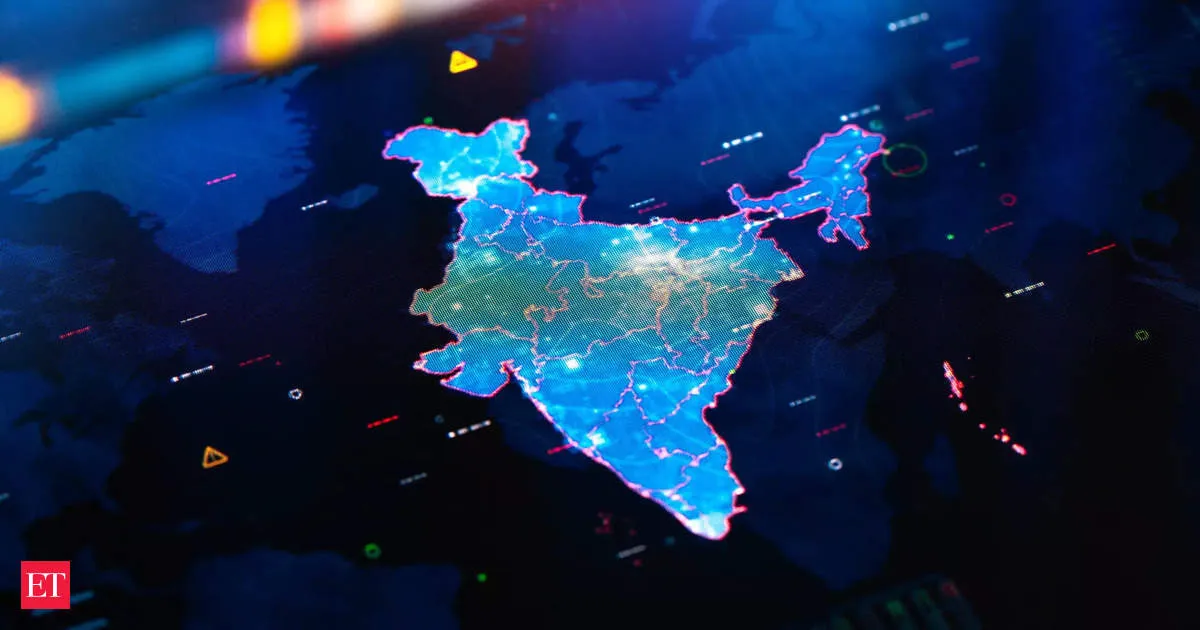
Inflation and monetary policy are pivotal factors as India targets becoming a USD 1 trillion digital economy by 2028. Transformative government initiatives and efficient 4G and 5G services enhance the nation's digital landscape.
The Impact of Digital Payments on India's Economy
The digital economy in India is projected to contribute 20% of GDP by 2026. Retail digital payments surged by over 50% from 2017 to 2023, partly driven by innovations like UPI.
Government Initiatives to Promote Digital India
- Pradhan Mantri Jan Dhan Yojana enhances financial access.
- Unified Lending Interface aims to simplify credit accessibility.
- Ayushman Bharat Digital Mission strengthens healthcare infrastructure.
As of March 2024, approximately 95.4 crore people are connected to the internet. This boost in connectivity is essential for expanding e-commerce and digital services.
Future Forecasts for Digital Adoption
With increasing smartphone usage and affordable data plans, digital transactions in rural areas are set to surge. Experts anticipate that digital payments could reach USD 10 trillion by 2026.
In conclusion, India’s commitment to digitization alongside a strong workforce positions the Indian economy on a trajectory towards becoming a USD 1 trillion digital economy by 2028.
This article was prepared using information from open sources in accordance with the principles of Ethical Policy. The editorial team is not responsible for absolute accuracy, as it relies on data from the sources referenced.