Crypto Framework Deadline Approaches as White House and Senators Aim for September Passage
Crypto Framework Deadline Approaches
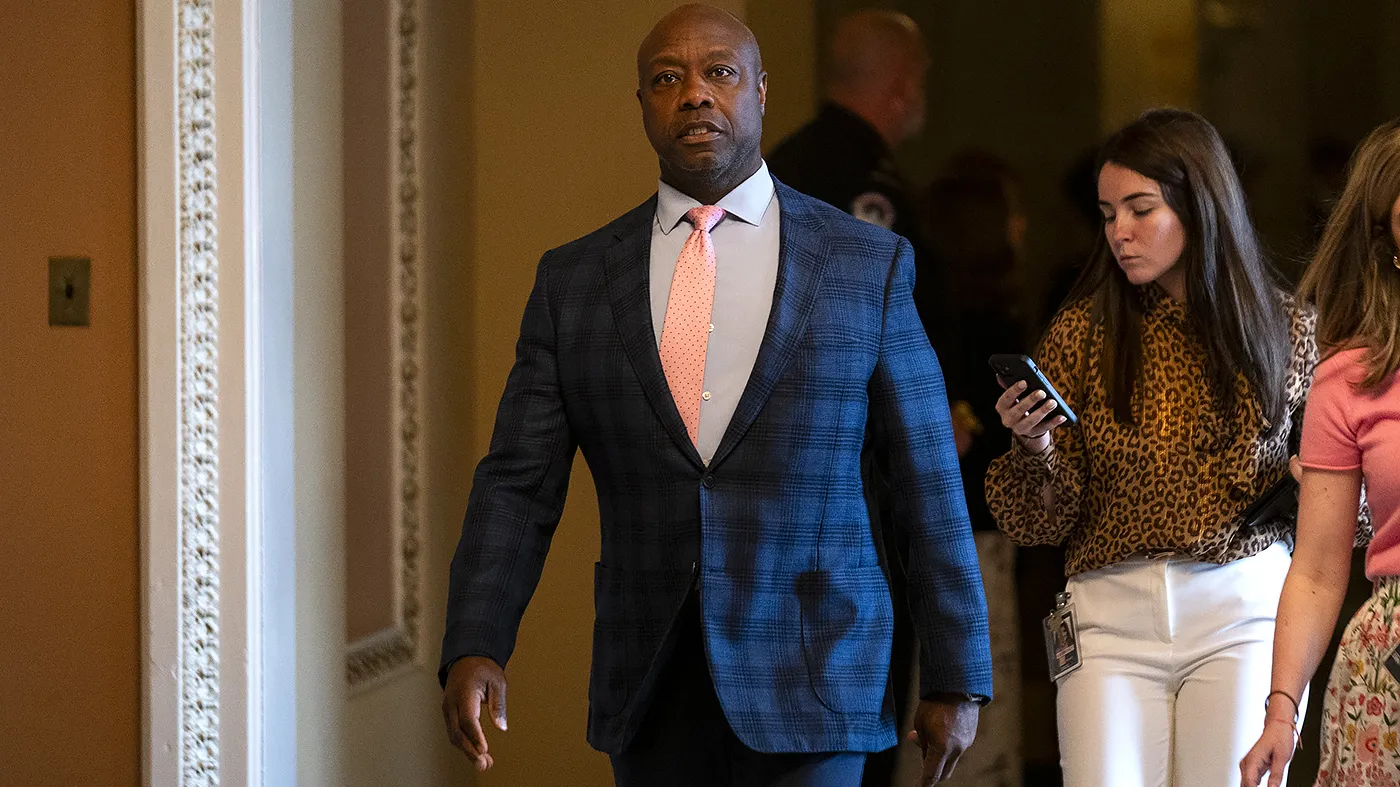
A White House adviser and two senators aim to establish oversight of the crypto industry with new legislation by the end of September, shifting from an earlier August deadline. Senate Banking Committee Chair Tim Scott (R-S.C.) announced this updated timeline during a fireside chat alongside Sen. Cynthia Lummis (R-Wyo.) and Bo Hines, executive director of President Trump’s Council of Advisors on Digital Assets.
“I want to set a timeline ... of seeing the market structure completed before the end of September,” Scott said. “I think that is a realistic expectation.” Lummis, who chairs the Senate Banking subcommittee on digital assets, echoed readiness to meet this deadline, aiming to present draft legislation prior to Congress's upcoming recess.
Hines also confirmed this timeline, stating, “As stated today, we are committed to getting market structure done by the end of September. Period.” Following the Senate's passage of its stablecoin bill, known as the GENIUS Act, Trump has urged the House to expedite the measure without significant modifications.
Legislative Goals and Challenges
- The market structure legislation intends to divide oversight of the digital asset market between the Securities and Exchange Commission and the Commodity Futures Trading Commission.
- Stablecoin legislation seeks to establish a regulatory framework for dollar-backed cryptocurrencies.
- While there is urgency to finalize both bills, some industry members fear that pursuing them separately may dilute their effectiveness.
“I’ve been very clear that I think the president’s push for the GENIUS Act is in the best interest of the American people,” Scott added. He emphasized optimism for achieving both legislative goals efficiently and on time.
This article was prepared using information from open sources in accordance with the principles of Ethical Policy. The editorial team is not responsible for absolute accuracy, as it relies on data from the sources referenced.