Iran-Israel Conflict Fuels Opportunities for Russia in the Strait of Hormuz
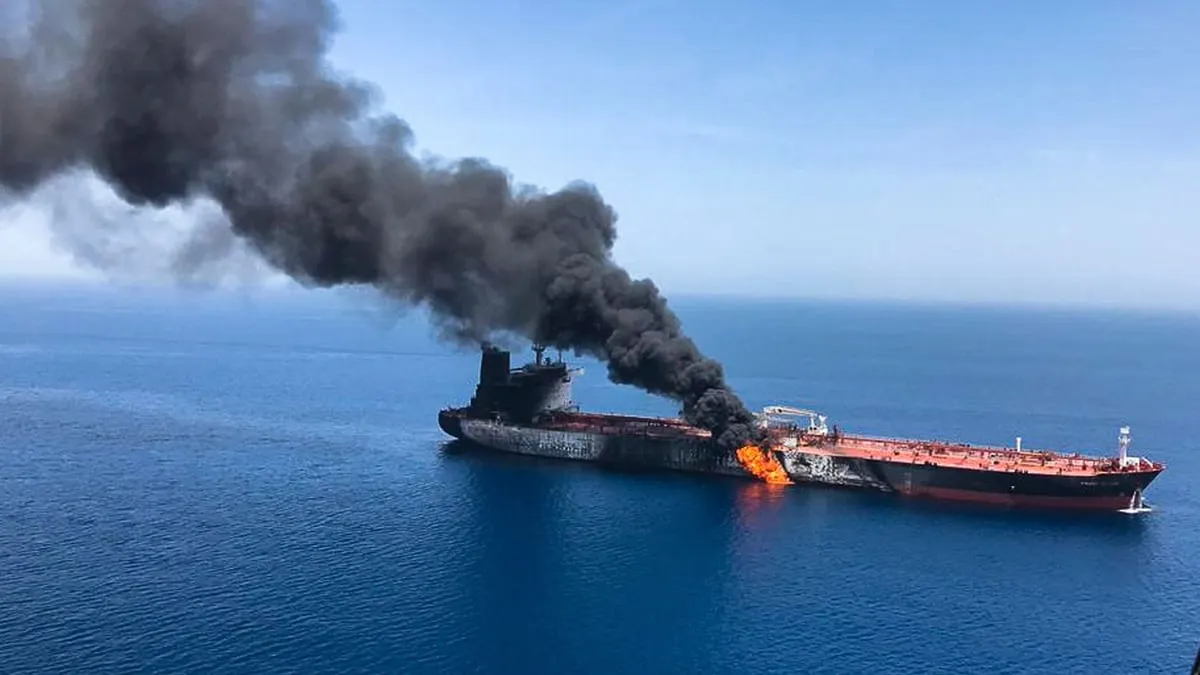
Iran-Israel Conflict and Strait of Hormuz Dynamics
The Iran-Israel conflict stirs concerns of escalating tensions, particularly in the vital Strait of Hormuz, which handles 27% of global crude oil trade. Israel's possible strikes on Iran could lead to a blockade that disrupts oil exports, markedly affecting economies reliant on this route.
Global Implications of a Strait Blockade
Should the situation deteriorate, Russia stands poised to benefit from increased oil demand as import-export routes become strained. The blockade could raise crude prices beyond $100 per barrel, influencing economic relations between Russia and India.
- Crude Oil Supply Risks: North America and Latin America may struggle to meet demands from India and other regions.
- Price Surge Potential: Oil prices exceeding $85 per barrel could lead to renewed economic ties between Russia and India.
- Russia's Strategic Positioning: An opportunity for Russia to cement its role as a key supplier during geopolitical unrest.
Conclusion: Strategic Shifts in Oil Markets
The evolving situation highlights the fragility of crude oil supply chains and the potential for nations like Russia to leverage opportunities amidst instability. Analysts suggest that India's diversified sources may mitigate risks, but reliance on Russia remains crucial in times of crisis.
This article was prepared using information from open sources in accordance with the principles of Ethical Policy. The editorial team is not responsible for absolute accuracy, as it relies on data from the sources referenced.