Understanding US Debt Exceeding 100 Percent of GDP
The Current State of US National Debt
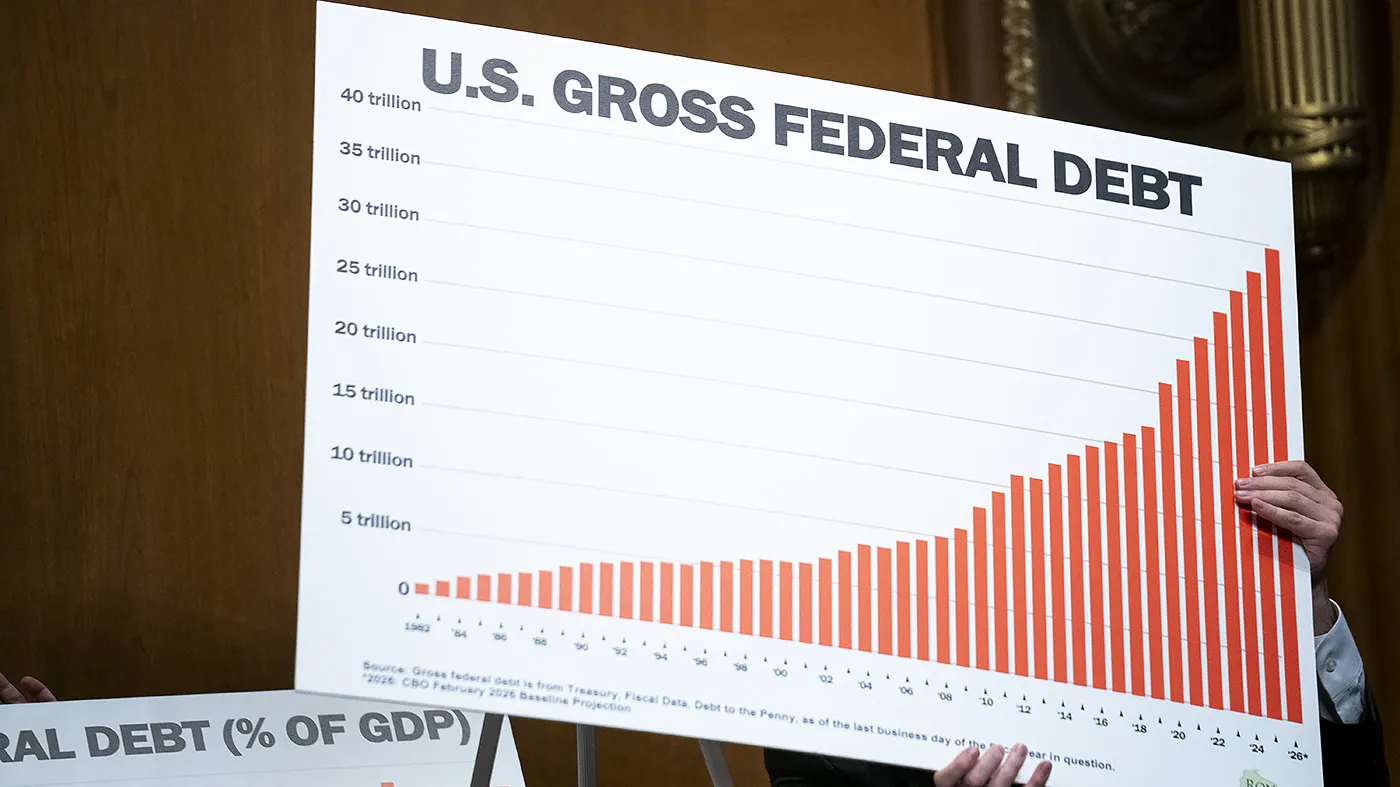
The U.S. national debt has officially crossed 100 percent of gross domestic product (GDP) as of the end of March. According to the Bureau of Economic Analysis, the national debt reached 100.2 percent of GDP, marking a significant milestone for the economy.
Implications of Rising Debt Levels
This level of debt raises critical questions about economic stability and future government spending. As the national debt inches closer to its historic peak of 106 percent, the potential for increased borrower costs and reduced funding for essential services looms large.
Reactions from Analysts and Policymakers
- Investors are on high alert, evaluating the potential impacts on interest rates and inflation.
- Policymakers express concern about sustainable fiscal policies in light of rising debt.
- Economic forecasts may be revised again, with an eye on long-term growth.
Looking Ahead
As the U.S. navigates this unprecedented financial landscape, observing the trajectory of national debt will be crucial. Solutions must be explored to address the challenges posed by this vital economic indicator.
This article was prepared using information from open sources in accordance with the principles of Ethical Policy. The editorial team is not responsible for absolute accuracy, as it relies on data from the sources referenced.