Native Americans Challenge Drilling: 9 Tribes Stand Against Federal Government in Black Hills
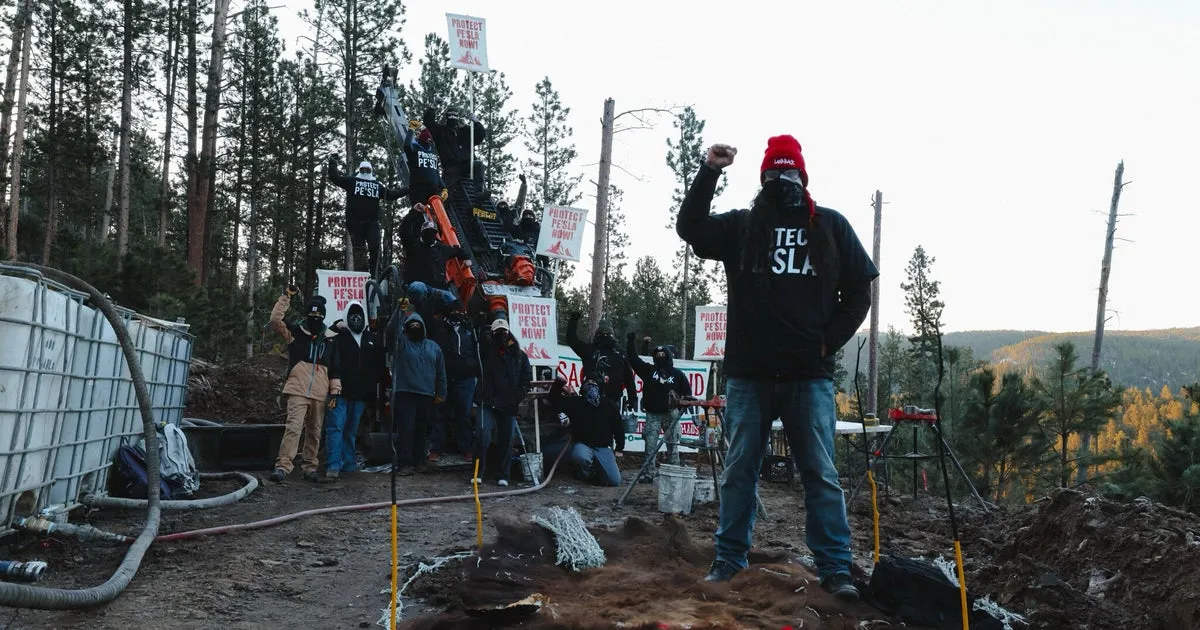
Native Americans Unite Against Drilling
Native Americans are increasingly contesting actions impacting their lands. A coalition of nine tribes has filed a lawsuit against the U.S. federal government, aiming to stop exploratory drilling for graphite close to Peu'Sla, a site of immense cultural and spiritual significance. This legal battle arises as these tribal groups push back against persistent threats to their sacred sites amid rising industrial interests.
The Drill Site Controversy
The lawsuit was filed in South Dakota and targets both the U.S. Forest Service and the U.S. Department of Agriculture. The tribes argue that these agencies violated federal law by permitting drilling operations that could disrupt their ceremonial practices. A small group of protestors has gathered to oppose the drilling, reflecting the frustration among tribal members who view the move as another episode in a long history of disregard for their rights.
A Historical Context
The Black Hills, known as He Sapa to the Sioux tribes, are not just a geographical location; they are a sanctuary intertwined with tribal identity. These lands are revered by Native Americans and are seen as integral to their cultural practices and community life, making the court case a poignant flashpoint in the larger narrative of Indigenous rights and environmental justice.
This article was prepared using information from open sources in accordance with the principles of Ethical Policy. The editorial team is not responsible for absolute accuracy, as it relies on data from the sources referenced.