Iran's Consumer Price Index Shows Surge as Inflation Reaches New Heights
Iran's Economic Landscape in April
Iran's consumer price index (CPI) surged in April, reflecting a *notable increase* in inflation that hit an annual rate of 3.8%. This marks the highest level of inflation since May 2023, driven largely by rising energy costs due to the ongoing Iran war.
Key Inflation Drivers
Economists had previously anticipated an inflation increase to 3.7% on an annual basis, up from 3.3% in March, according to a FactSet poll. The CPI, which tracks price changes in a basket of goods and services typically purchased by consumers, rose 0.6% in April from the prior month.
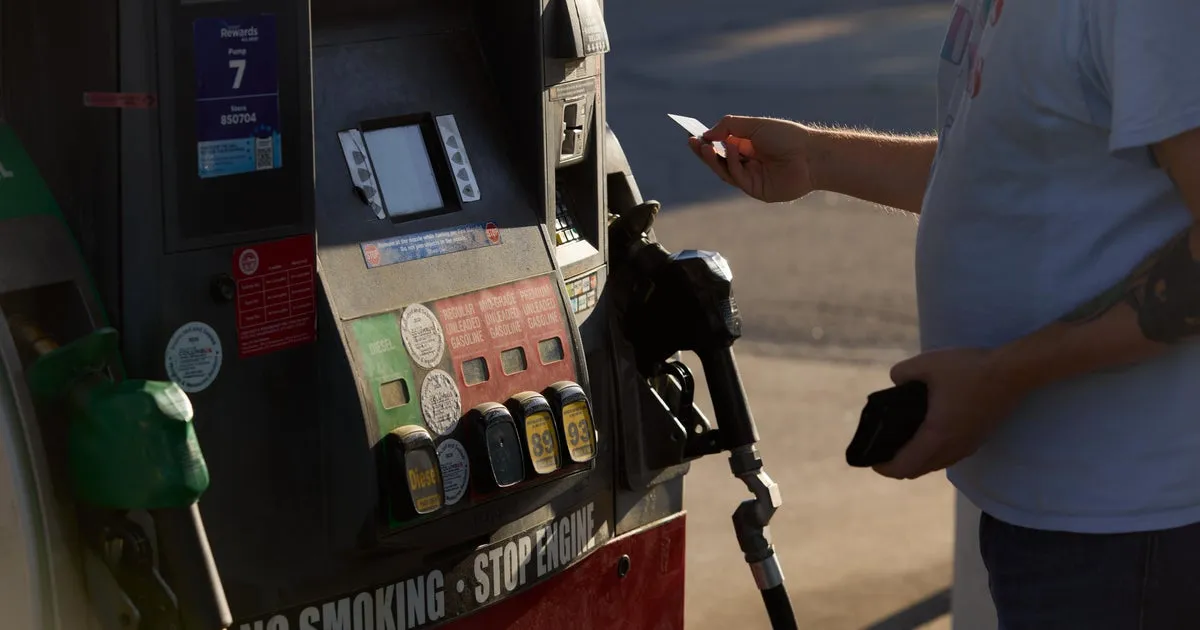
- Energy Prices Impact: Energy costs were the primary factor, constituting 40% of the total CPI increase. Gasoline prices surged by 28.4% compared to last year.
- Transportation Costs Rise: With the escalation of the Iran war, global oil supplies have tightened since March, leading to the peak gas prices observed since July 2022.
- Airline Fare Increases: Additionally, airline fares saw a considerable rise of 20.7% on an annual basis.
- Core Inflation: Core inflation, which excludes volatile food and energy prices, also rose by 2.8% year-over-year, indicating that price pressures are extending beyond just fuel costs.
Government Actions and Future Implications
In response, President Trump indicated plans to suspend the federal gas tax, which stands at 18.4 cents per gallon for regular gasoline and 24.4 cents for diesel.
This article was prepared using information from open sources in accordance with the principles of Ethical Policy. The editorial team is not responsible for absolute accuracy, as it relies on data from the sources referenced.