Understanding the Nippon-US Steel Deal: A Necessary Solution for America's Steel Industry
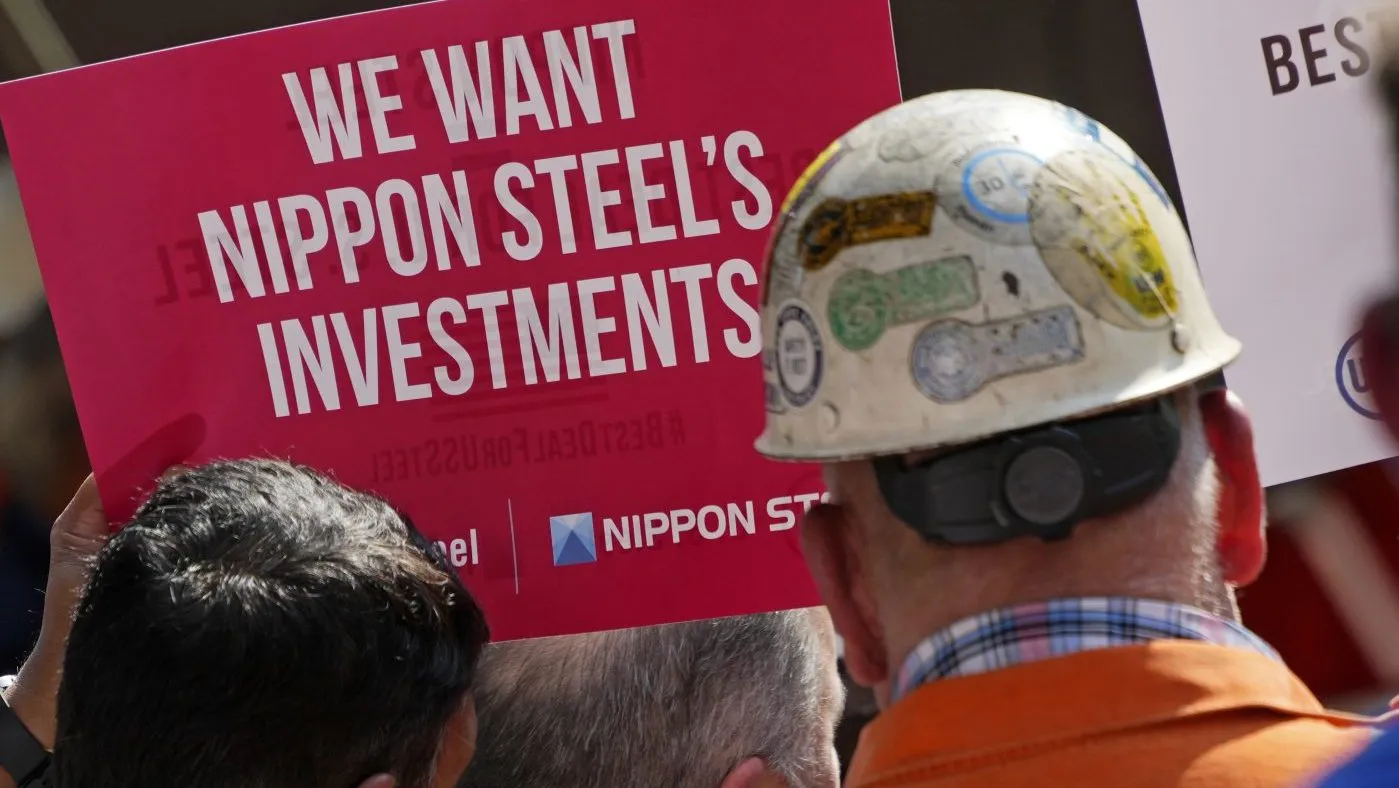
Nippon Steel's Strategic Acquisition of U.S. Steel
Nippon Steel's acquisition of U.S. Steel is seen as a critical lifeline for an industry facing numerous challenges. U.S. Steel, which sought buyers due to its financial struggles, now stands at a crossroads amidst political resistance. Many key political figures, including President Biden and former President Trump, express concerns about the foreign ownership of an iconic American brand.
Political Opposition and Economic Reality
- Political resistance from various politicians may jeopardize the acquisition.
- Despite this, U.S. Steel's management emphasizes the necessity of external funding.
- Nippon Steel's cash offer of $14.9 billion significantly outpaces local competitor Cleveland-Cliffs' bid.
Benefits of the Nippon Deal
- Nippon pledges $2.7 billion in investments to upgrade U.S. Steel's facilities.
- With a history of successful management, Nippon Steel could enhance operational efficiency.
- Reduction of U.S. Steel's half-sized workforce since 2011 necessitates urgent intervention.
An acquisition by Nippon would not only preserve jobs but also bolster American production capabilities in an increasingly competitive market. The United Steelworkers union, while opposing the deal, faces a dilemma: it risks pushing Nippon to withdraw its offer.
Implications for National Security
Concerns regarding national security are often cited by politicians opposing the deal. However, Japan has been one of America’s most steadfast allies. Blocking the sale would be more than economically damaging; it would hamper diplomatic relations in a rapidly shifting geopolitical landscape.
Conclusion: Paving the Way for U.S. Steel's Future
As the Committee on Foreign Investment in the United States reviews this acquisition, it holds the potential to transform U.S. Steel’s future. If approved, Nippon’s investment could mark a turning point for American steel, preserving jobs and fostering economic growth in key industrial regions.
This article was prepared using information from open sources in accordance with the principles of Ethical Policy. The editorial team is not responsible for absolute accuracy, as it relies on data from the sources referenced.