Prebiotic Sodas: Exploring Health Claims and Surging Popularity
Prebiotic Sodas: The Surging Trend
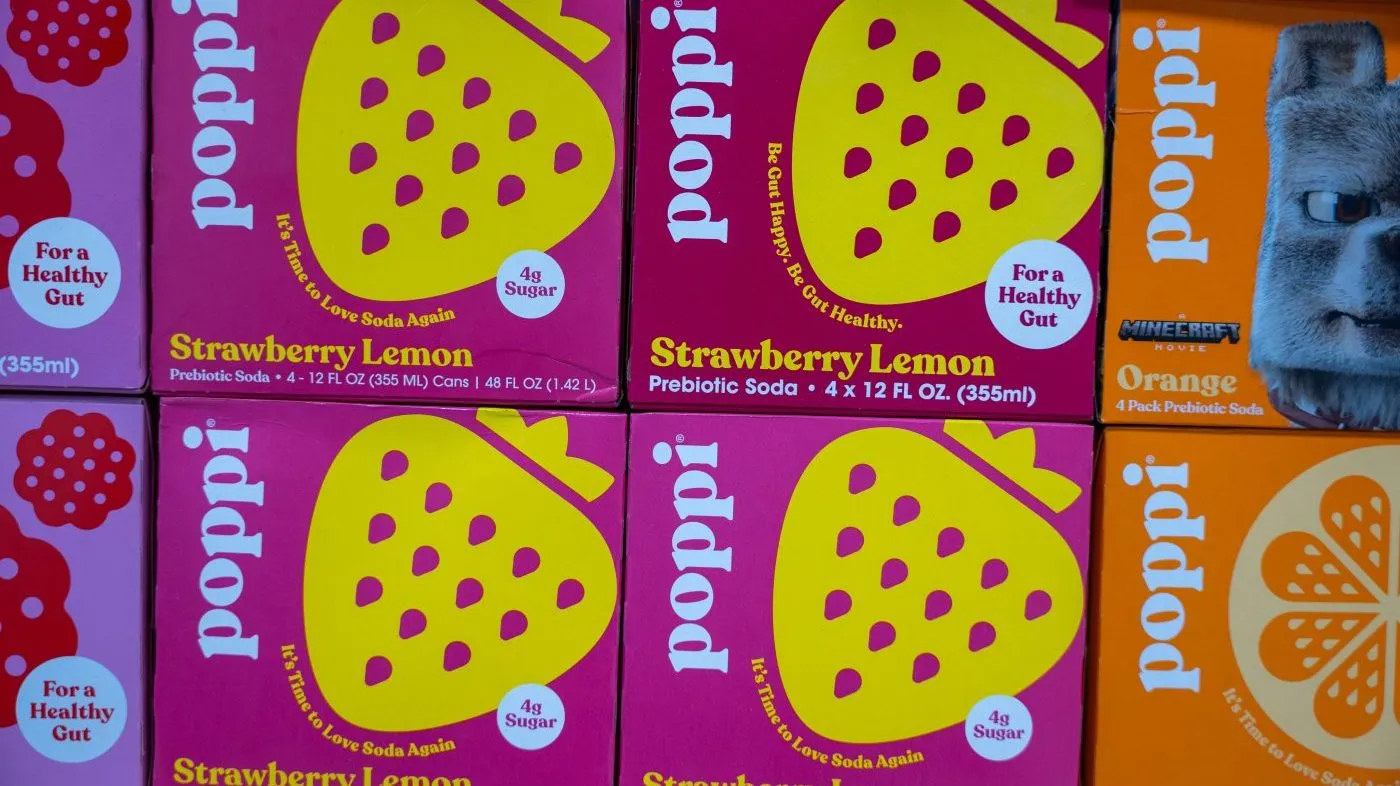
Prebiotic sodas are experiencing a remarkable surge in popularity, with sales skyrocketing from $33 million to $777 million over the past three years, as reported by NielsenIQ. These beverages, often marketed as gut-friendly alternatives, boast ingredients such as inulin, derived from chicory root. Unlike traditional sodas, which can contain over 50 grams of sugar per can, brands like Poppi and Olipop offer drinks with only five grams of sugar, appealing to health-conscious consumers.
Health Claims Under Scrutiny
While many wellness experts laud prebiotic sodas for their potential digestive benefits, others caution that the scientific evidence supporting these claims is still developing. Inulin, considered safe by the FDA, may cause digestive discomfort for certain individuals, especially those suffering from sensitivities like irritable bowel syndrome, as highlighted by research from the National Library of Medicine.
The Bigger Picture: Cannabinoid Beverages
In addition to prebiotic sodas, cannabis-infused beverages, containing CBD or THC, are emerging as alcohol substitutes. Experts emphasize that consumers should scrutinize labels and consult health professionals before trying these novel drinks due to varying regulations and ingredient quality.
Final Thoughts on Sodas and Sales Trends
With the acquisition of Poppi by Pepsi for over $1 billion, it's clear that the beverage industry is taking note of this trend. As consumer preferences evolve towards lower-sugar options, the future of prebiotic sodas looks promising, but the ongoing debate about their health benefits continues.
This article was prepared using information from open sources in accordance with the principles of Ethical Policy. The editorial team is not responsible for absolute accuracy, as it relies on data from the sources referenced.