Supreme Court of the United States Expands Presidential Firing Power Over the Federal Trade Commission
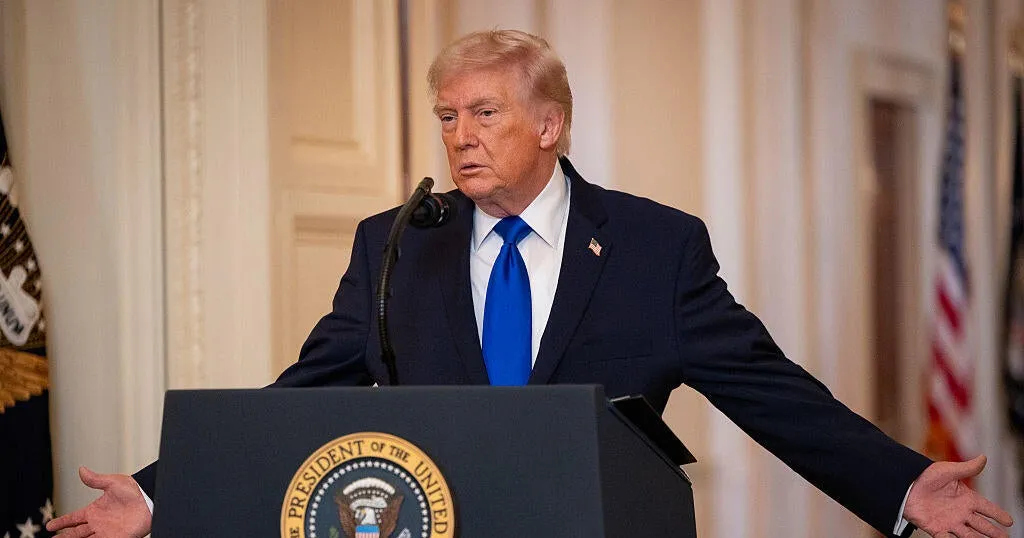
Supreme Court Overturns 90-Year-Old Precedent
In a landmark ruling, the Supreme Court of the United States has declared that protections against removal for members of the Federal Trade Commission are unconstitutional. This decisive verdict strikes down a historic decision, thereby expanding the presidential authority significantly. The case, known as Trump v. Slaughter, saw a 6 to 3 ruling with Chief Justice John Roberts leading the majority opinion.
Implications of the Ruling
- This ruling directly challenges a 1935 decision from Humphrey's Executor v. United States, where Congress was granted the power to protect FTC members from arbitrary dismissal.
- The conservative majority emphasizes that restrictions on presidential authority inhibit constitutional power over executive functions.
This new interpretation may lead to increased influence of the presidency over independent agencies that had been previously insulated from political pressure. The dissenting opinion from the liberal justices highlights concerns over potential executive overreach.
This article was prepared using information from open sources in accordance with the principles of Ethical Policy. The editorial team is not responsible for absolute accuracy, as it relies on data from the sources referenced.