Real Estate Crisis: Fewer than 40% of U.S. Households Can Afford a Starter Home
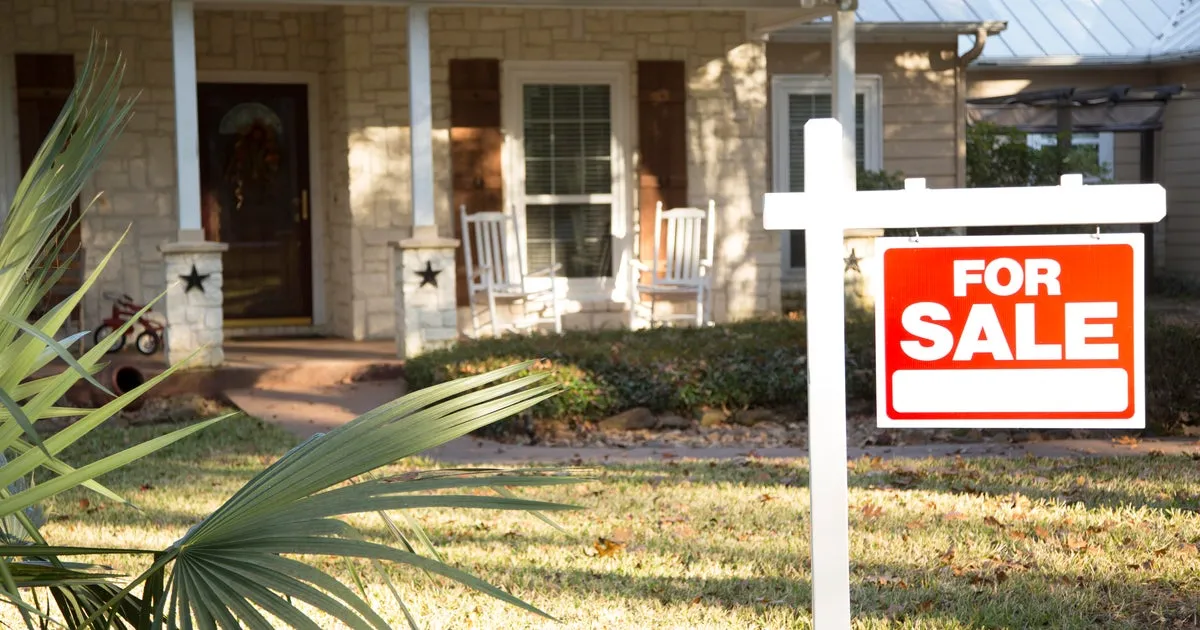
Buying a first home remains out of reach for many Americans, with fewer than 4 in 10 non-homeowner households able to afford a typical starter home, a new LendingTree analysis found. A typical starter home costs $200,000, with LendingTree defining entry-level homes as owner-occupied properties valued at the 25th percentile of the housing market.
The analysis found that only 38% of households that don’t already own a home could afford one. Starter homes tend to be smaller and require more repairs or updates than higher-priced homes, but they often provide buyers with their first opportunity to build equity. Without access to entry-level homes, some Americans may be missing out on what is considered to be one of the biggest wealth-building opportunities.
Another recent study found that 242 cities across the U.S. now have starter homes that cost at least $1 million. The number of cities where entry-level properties cost at least seven figures has tripled since 2020, Zillow said earlier this month.
Incomes falling short: Non-homeowners need to earn just over $62,000 to afford a starter home. Still, their median salary is $55,000, leaving an income gap of more than $7,000, or about 13%, according to LendingTree’s analysis. Overcoming that deficit can be difficult to impossible, according to LendingTree chief consumer finance analyst Matt Schulz.
This article was prepared using information from open sources in accordance with the principles of Ethical Policy. The editorial team is not responsible for absolute accuracy, as it relies on data from the sources referenced.