Electoral College Confusion: How Election Day May Shape US Democracy and the Global Economy
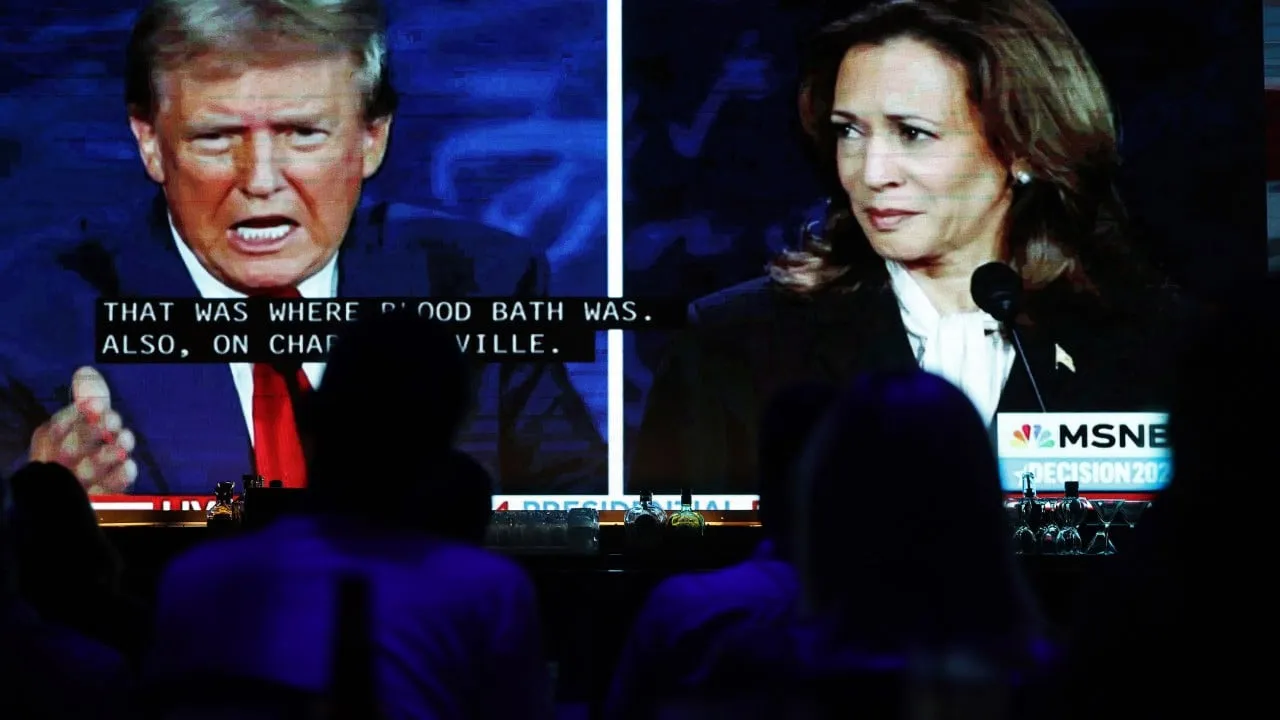
The Electoral Landscape: A Prelude to Election Day
The electoral college situation is fraught with uncertainty as we draw closer to Election Day. Recent polling indicates a virtual tie between Vice-President Kamala Harris and former President Donald Trump. Despite betting markets showing Trump as a stronger contender, the reality is that the race is far from settled.
Financial Market Reactions to Election Day
Interestingly, financial markets appear to be undeterred by the electoral climate. The S&P 500 has reached record highs, indicating a disconnect between polling results and market confidence. Analysts from BlackRock argue that the election outcome may hold little significance for market dynamics, yet the potential for volatility surrounds the result.
The Stake of US Democracy on Global Economies
- Political Violence could escalate post-election, posing a risk to US democracy.
- Global Economy might face turmoil depending on the electoral outcomes, especially if polarized opinions lead to legal disputes.
- The International Monetary Fund warns of growing economic uncertainty, raising concerns about the potential fallout.
As we look toward November 5, the broader implications of the election's result may affect not just US Dollar stability but also impact international financial frameworks.
Preparing for Possible Scenarios Post Election Day
Whether the outcome features a Democratic sweep or a narrow victory for either candidate, Republican challenges could be imminent, underscoring the fragility surrounding US democracy. Markets and geopolitical stability will remain on edge as the nation grapples with a divided electorate, amplified by heightened tensions.
This article was prepared using information from open sources in accordance with the principles of Ethical Policy. The editorial team is not responsible for absolute accuracy, as it relies on data from the sources referenced.