Oil Hits $110 Per Barrel for First Time Since May: Analyzing Market Trends
Friday, 16 October 2026, 20:48
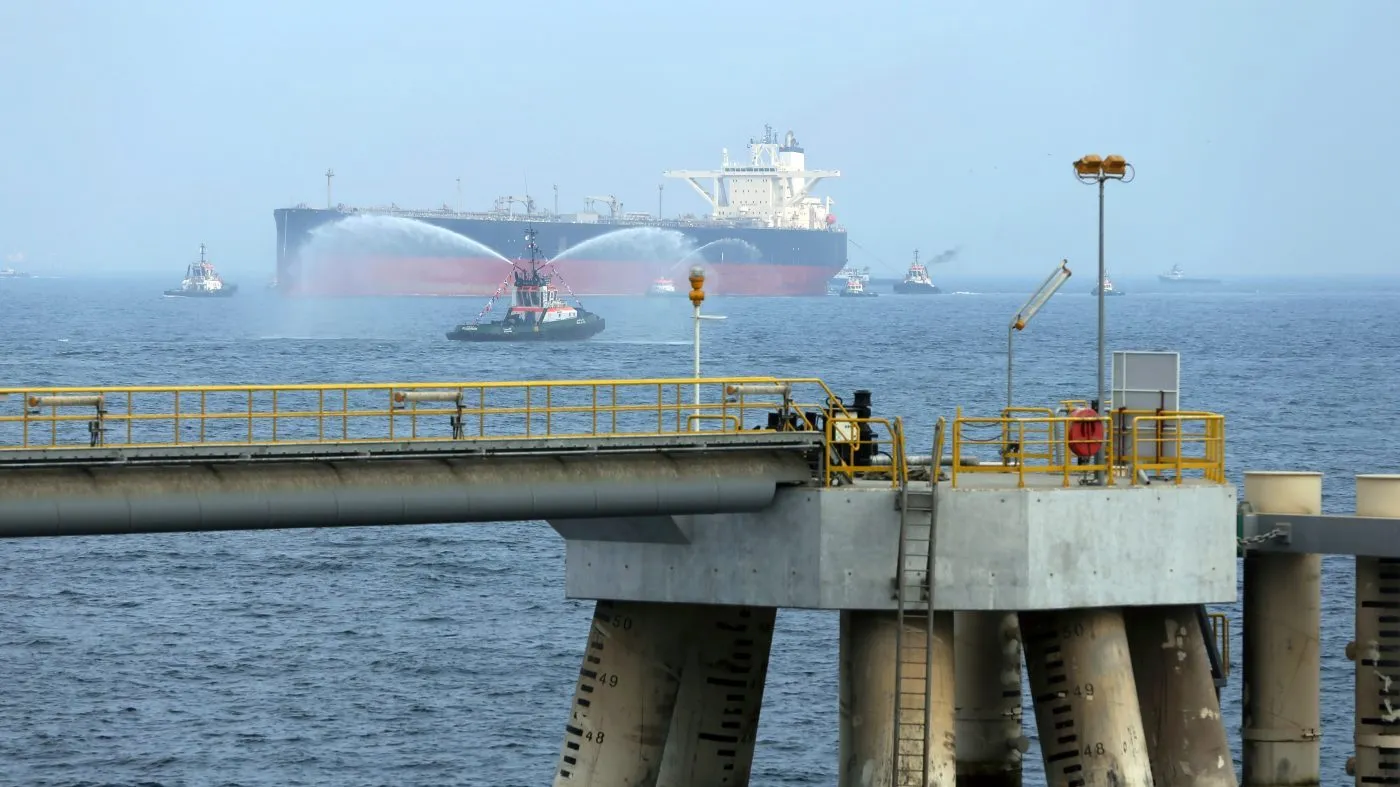
Oil Hits $110 Per Barrel: Understanding Current Market Conditions
Oil hits $110 per barrel for the first time since May, drawing attention from investors and analysts alike. Factors contributing to this spike include ongoing geopolitical tensions stemming from the U.S.-Iran and Russia-Ukraine conflicts. The Brent crude oil benchmark traded at this price level on Friday during active market hours, indicating a significant rebound.
Market Reactions to Rising Oil Prices
- Investor Sentiment: There is a noticeable shift in confidence among investors.
- Supply Chain Disruptions: Continued instability in major oil-producing regions has raised concerns over supply constraints.
- Global Economic Impacts: Rising oil prices often lead to increased transportation and manufacturing costs, influencing inflation rates.
Implications for Future Pricing Trends
- Pressure on Consumers: Higher oil prices could lead to increased costs for consumers across multiple sectors.
- Strategic Responses: Companies in various industries may adjust their strategies to mitigate cost impacts.
- Market Volatility: The current spike in oil prices could further increase volatility in financial markets, affecting investment decisions.
In summary, oil hitting $110 per barrel signals more than just a pricing trend; it reflects deeper market issues that investors should monitor closely.
This article was prepared using information from open sources in accordance with the principles of Ethical Policy. The editorial team is not responsible for absolute accuracy, as it relies on data from the sources referenced.