Austin Strange Explores US-China Competition in the Democratic Republic of the Congo's Mineral Logistics
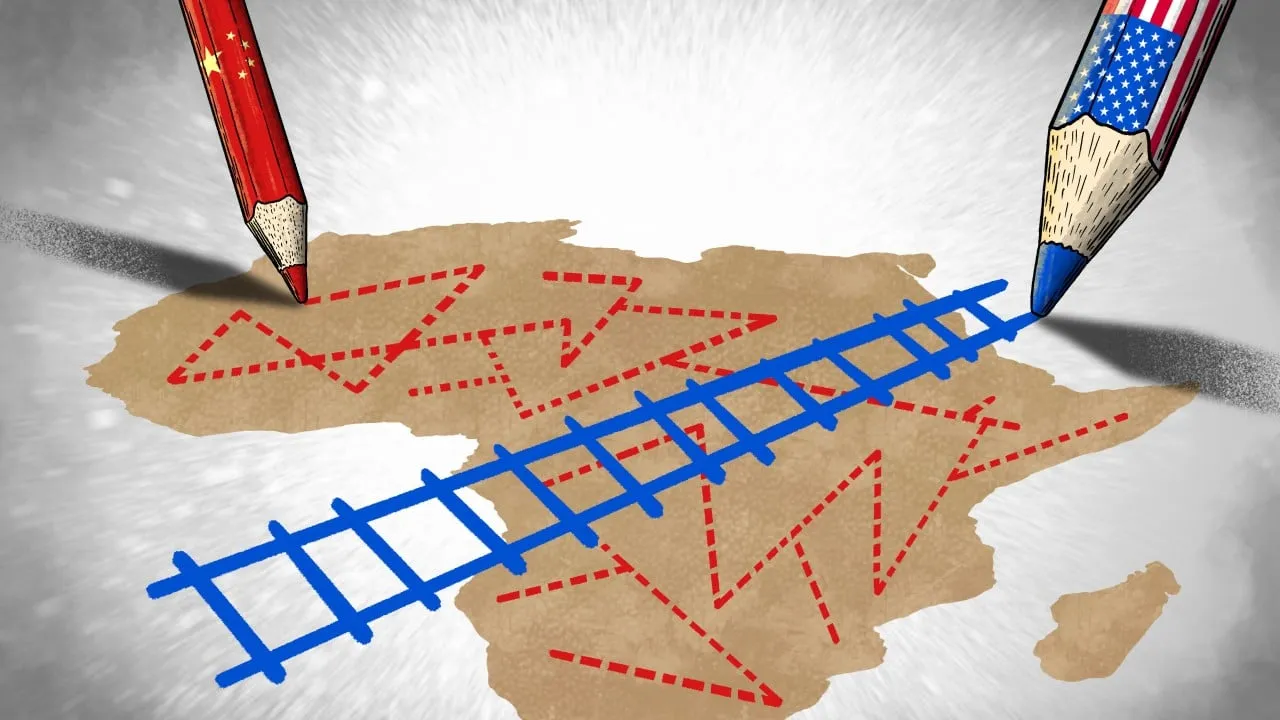
Austin Strange Analyzes US-China Rivalry Over Critical Minerals
Austin Strange, an associate professor of politics and public administration at the University of Hong Kong, discusses the heightened competition between the United States and China over access to critical minerals in the Democratic Republic of the Congo (DRC). The focus is particularly on the Lobito Corridor, a strategic route linking Angola with mineral-rich regions in the DRC and Zambia.
Importance of the Lobito Corridor in Global Supply Chains
The Lobito Corridor is pivotal for both nations as they seek to control the supply chains of critical minerals crucial for modern technology. Strange emphasizes that revitalizing this corridor could enhance access for the US and European Union, counteracting China's dominant position.
US Investments and Strategy
- The US International Development Finance Corporation has pledged significant funds towards upgrading segments of the Benguela Railway.
- This is part of a larger initiative—the US$600 billion Partnership for Global Infrastructure and Investment—aimed at countering China’s Belt and Road Initiative.
Geopolitical Tensions in Africa
The US's renewed focus comes as President Joe Biden plans a trip to Luanda, Angola, amidst fierce geopolitical rivalry. Analysts suggest maintaining a balance will be crucial for development in the region.
Future Prospects for Transcontinental Connections
Both Austin Strange and other experts believe that integrating the Lobito Corridor with existing Chinese investments, such as the Tazara railway connecting Zambia to Tanzania, could establish a transcontinental corridor, enhancing efficient mineral transportation across Africa.
This article was prepared using information from open sources in accordance with the principles of Ethical Policy. The editorial team is not responsible for absolute accuracy, as it relies on data from the sources referenced.