Plastic Bag Bans Can Sometimes Backfire: Understanding the Unintended Outcomes
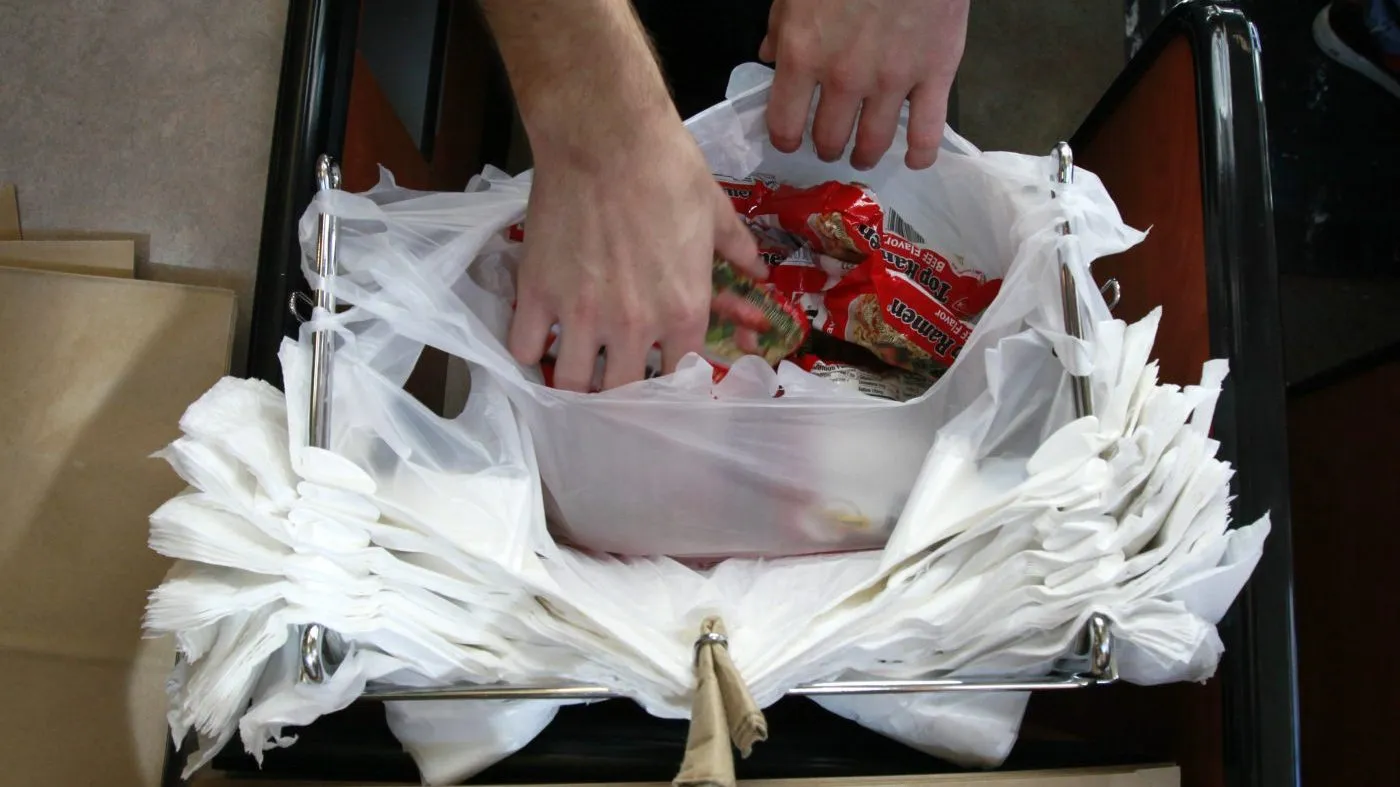
Plastic Bag Bans Backfire: A Study Overview
Policies aimed at curbing the use of single-use plastic bags have sometimes accomplished the opposite of their intentions, according to a new study published in the Journal of Marketing Research. The research focuses on the unintended consequences of plastic bag bans in two Texas cities, revealing surprising insights into consumer behavior.
The Study's Findings
In cities like Dallas and Austin, prohibitions on the free distribution of plastic bags led to increased sales of these bags, contradicting the anticipated environmental benefits. Researcher Hai Che emphasized that instead of opting for eco-friendly alternatives, many consumers turned to purchase more plastic bags.
Key Insights
- Dallas imposed a 5-cent fee on single-use bags for five months, leading to a surge in sales once the policy was revoked.
- Austin's longer ban resulted in persistent increased purchases, with a 38.6% surge above baseline levels even after 18 months post-repeal.
- The concept of 'spillover effects' means that policies intended to limit plastic use can result in consumers adapting their behaviors in unforeseen ways.
Health and Environment Considerations
While some individuals may embrace reusable bags, others may substitute with trash or plastic produce bags, complicating the intended environmental impact.
Reflecting on Policy Effectiveness
The research highlights that even with regulations, achieving behavior change is complex and requires ongoing evaluation and adjustment to align with actual consumer responses.
This article was prepared using information from open sources in accordance with the principles of Ethical Policy. The editorial team is not responsible for absolute accuracy, as it relies on data from the sources referenced.