Bio-Medicine Challenges: How Trump Tariffs and US Funding Bills Affect Chinese Biotech Firms
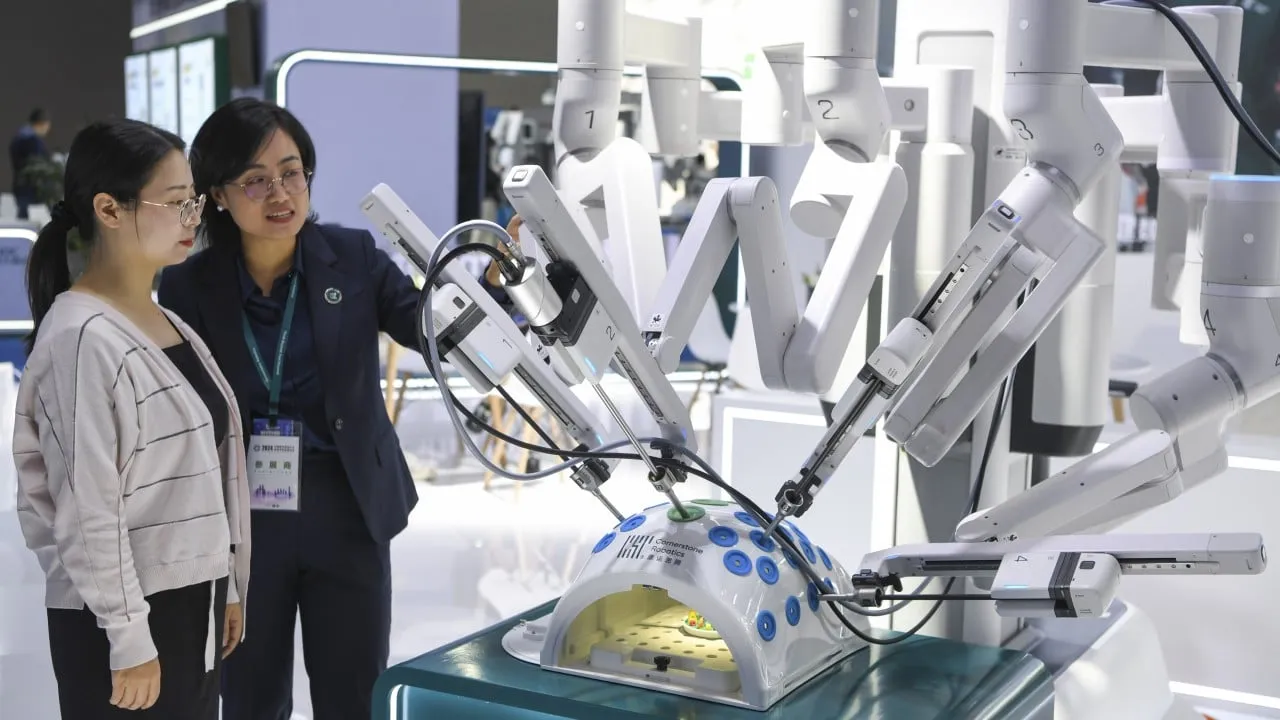
Trump Tariffs Looming over Chinese Bio-Medicine
As the Trump administration proposes steep tariffs on Chinese imports, Chinese biotech firms, particularly those involved in medical devices, face significant pressure. President-elect Donald Trump has suggested import duties ranging from 60% to 100%, signaling potential turmoil in the bio-medicine sector.
Research and Development Amidst Challenges
Analysts argue that firms like Mindray Bio-Medical Electronics and Wuxi Biologics are intensifying their research and development efforts to adapt to these new challenges. Despite these measures, any trade barriers enacted could severely impact profit margins, particularly for manufacturers targeting the US market.
US Market Dynamics for Chinese Firms
The US market remains highly competitive, with rising manufacturing costs prompting adjustments in strategy. For instance, Mindray is shifting focus towards high-end clients while broadening its production facilities, including a new site in Mexico.
Legislation Influencing the Landscape
Moreover, legislation such as the Democrat-led Biosecure Act poses another hurdle by blocking government contracts with firms like BGI Group and Complete Genomics. The act has incited backlash from the US biotech industry, prompting delays in its implementation.
Conclusion on Future Prospects
While Chinese bio-medicine firms strive to mitigate potential damage from these tariffs, the evolving political climate and forthcoming regulations will play a pivotal role in shaping their future.
This article was prepared using information from open sources in accordance with the principles of Ethical Policy. The editorial team is not responsible for absolute accuracy, as it relies on data from the sources referenced.