Supreme Court Reviews FCC Fund for Rural Telecom Services
Supreme Court Reviews FCC Fund for Rural Telecom Services
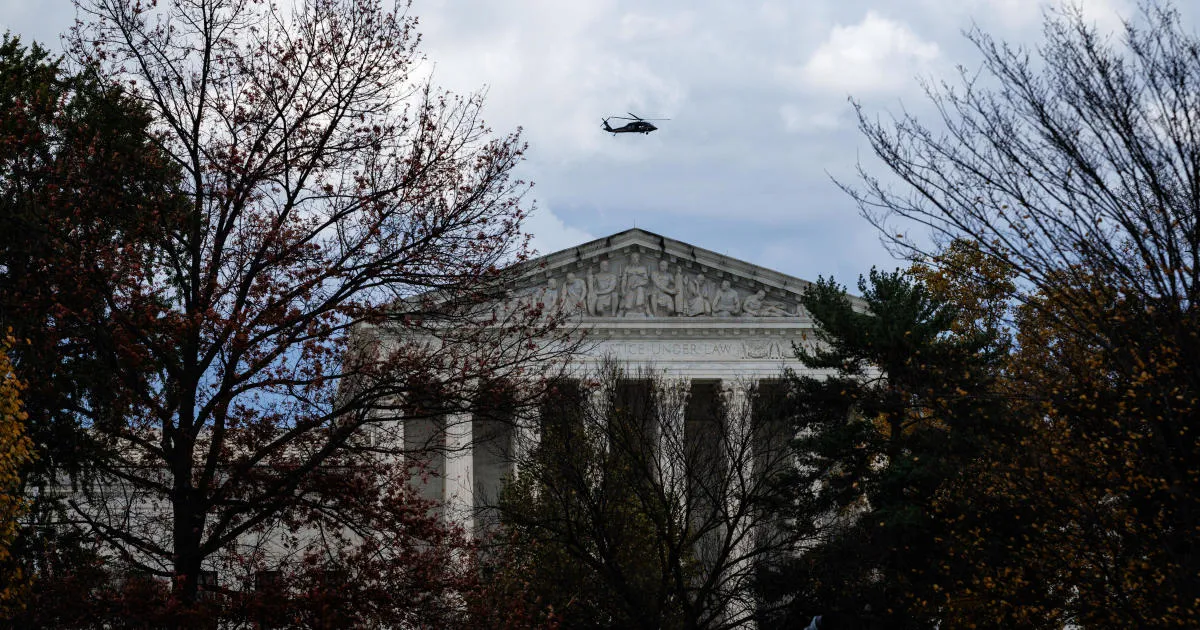
The Supreme Court has announced it will examine the constitutionality of the Federal Communications Commission's Universal Service Fund, which plays a critical role in subsidizing telecom services for rural areas, low-income communities, and essential institutions such as schools and hospitals.
The ongoing legal dispute arises from a lower court ruling that challenged whether Congress granted excessive authority to the FCC in managing the funding contributions from telecommunications providers to this program.
Key Aspects of the Case
- The court will explore if the FCC's delegation of authority over the Universal Service Fund is constitutional.
- There are concerns about whether the challengers can prove the case is not moot without prior relief requests.
- The conservative majority on the Supreme Court has shown a trend of scrutinizing federal power.
Created in 1996, the Universal Service Fund mandates contributions from telecom companies, ensuring access to vital communication services for underserved populations. Recent challenges to the fund's contribution mechanism have emerged, emphasizing the ongoing debate over the balance of power between federal agencies and legislative authority.
Arguments are expected to be heard early next year, with a ruling anticipated by the end of June.
This article was prepared using information from open sources in accordance with the principles of Ethical Policy. The editorial team is not responsible for absolute accuracy, as it relies on data from the sources referenced.