Supreme Court's Role in Musk and Ramaswamy's DOGE Agenda
The Ambition Behind DOGE
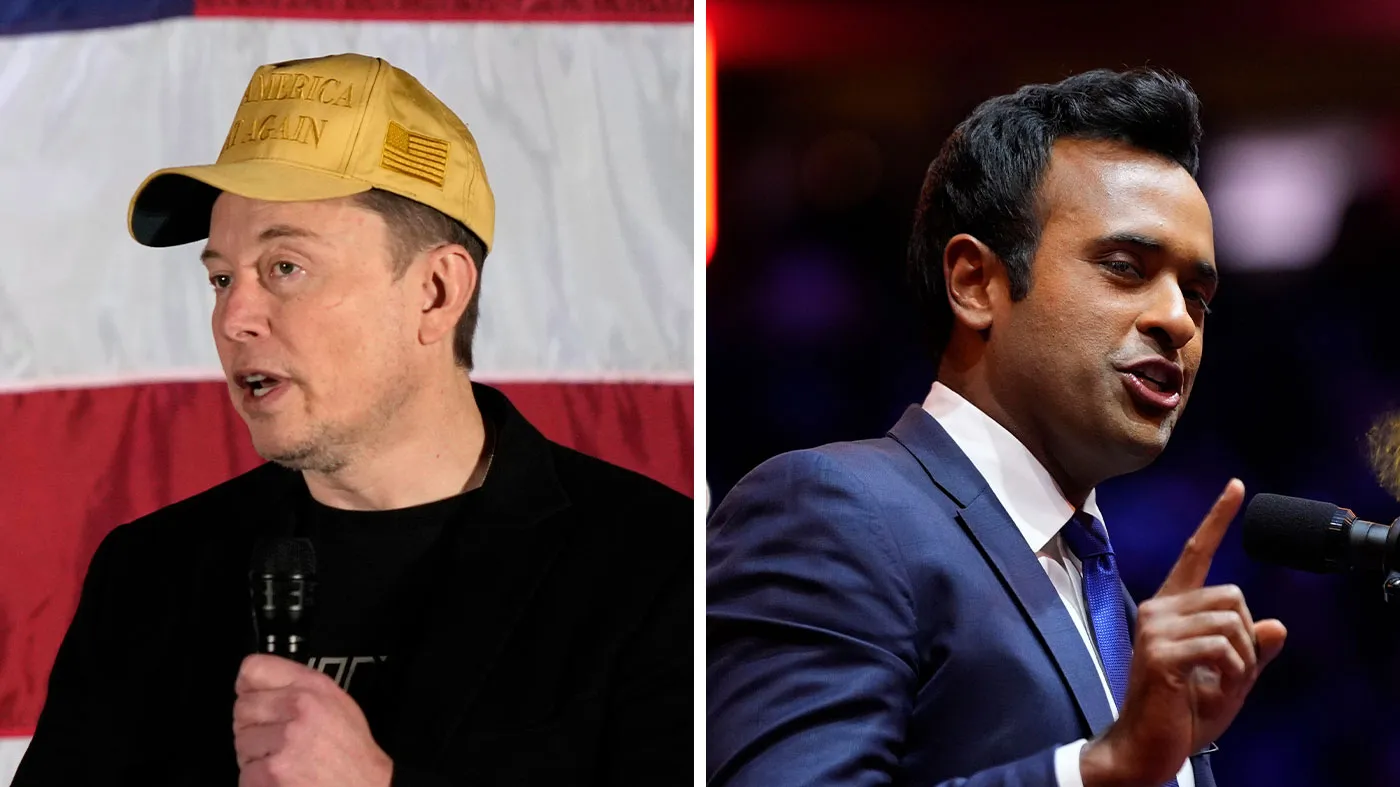
Elon Musk and Vivek Ramaswamy are relying on the Supreme Court to fuel their ambitious drive to cut federal regulations through their newly formed 'Department of Government Efficiency,' or DOGE. They believe with a decisive electoral mandate and a conservative court, structural reductions in the federal government can be achieved.
The Supreme Court's Conservative Majority
- Recent Court Rulings: Musk and Ramaswamy cite recent significant rulings from a conservative court that could enable a shift in regulatory authority.
- Rulings in West Virginia v. EPA: The court established that federal agencies can't act without explicit Congressional approval.
- Loper Bright and Chevron Deference: The court’s decisions altered how courts approach regulations, fostering a potential pathway to decrease federal oversight.
Challenges Ahead
Experts argue that while the pair are enthusiastic about the court's rulings, substantial hurdles remain. Resistance from regulatory agencies and potential legal pushback could impede their plans.
- Expert Insights: Observations from law experts suggest a misinterpretation of the implications of the Supreme Court's rulings by Musk and Ramaswamy.
- Implications for Agency Authority: Agencies have historically retained power to reshape regulations, indicating a complex path forward for DOGE.
- Government Spending Constraints: Suggestions of cutting spending or bypassing Congress face constitutional battles.
Navigating Bureaucracy for Efficiency
Through DOGE, Musk and Ramaswamy aspire to streamline government processes. However, their strategies for enforcing such changes must align meticulously with existing laws and the realities of governance.
This article was prepared using information from open sources in accordance with the principles of Ethical Policy. The editorial team is not responsible for absolute accuracy, as it relies on data from the sources referenced.