Analyzing BlockDAG's 30,000x ROI Potential Amidst Polkadot and Uniswap Upgrades
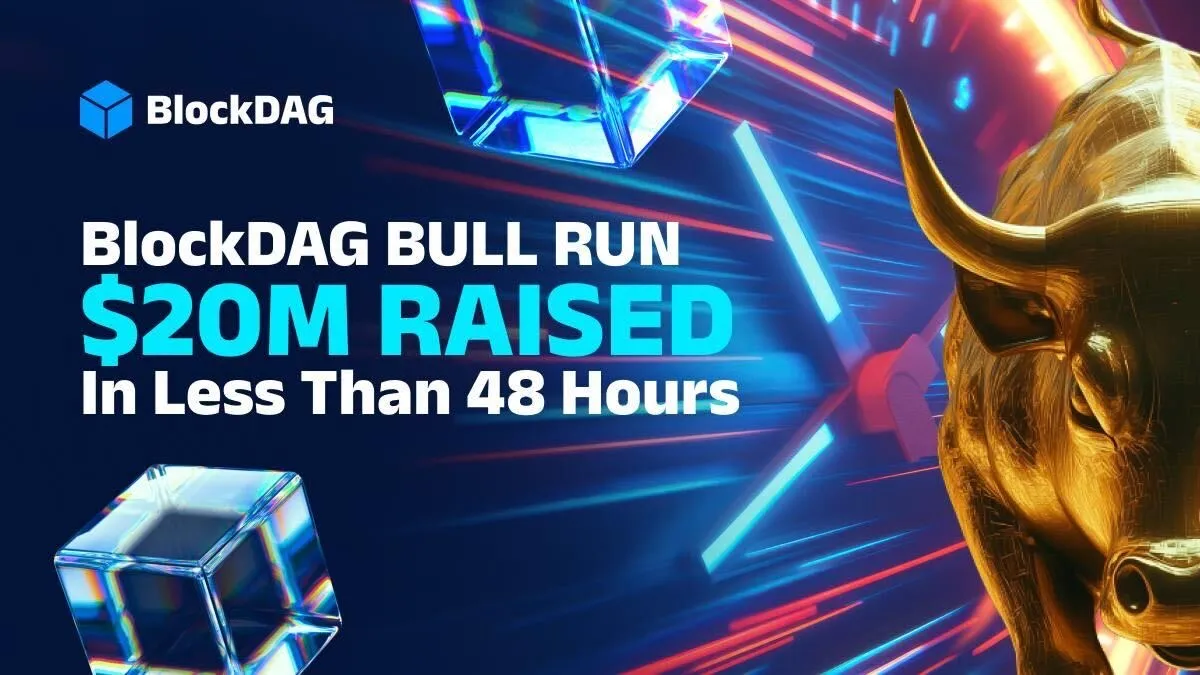
BlockDAG's 30,000x ROI Potential in the Cryptocurrency Market
BlockDAG's 30,000x ROI potential is rapidly capturing the attention of investors. In today's cryptocurrency landscape, Polkadot and Uniswap are enhancing their offerings, but BlockDAG stands poised to redefine standards.
Polkadot's Upgrades Enhance Innovation
Polkadot is refining its infrastructure with a focus on scalability and developer-friendly features. The 2.0 upgrade introduces Asynchronous Backing and Agile Coretime, enhancing capacity and reducing costs.
Active Development and Adoption
- Nearly 2,100 contributors drive rapid development.
- 93% increase in active addresses indicates rising user engagement.
Uniswap Broadens DeFi Reach
Uniswap's latest updates solidify its position in decentralized exchange spaces. Its Layer-2 solution, Unichain, promises faster transactions and lower fees, reflecting robust growth.
Future Innovations on the Horizon
- The upcoming Uniswap v4 promises enhanced capabilities.
- Post-Dencun upgrade moves Uniswap forward in operational efficiency.
BlockDAG's Unmatched Scalability
BlockDAG leverages a unique mix of blockchain and DAG technologies to deliver unparalleled scalability. Its presale success, raising $20 million in just two days, positions it as a transformative player in the market.
Mainnet Audit Phase
- The audit ensures rapid, secure transactions.
- Aimed at reinforcing reliability prior to full launch.
Investment Opportunities in BlockDAG
Analysts forecast a remarkable 30,000x ROI driven by BlockDAG’s hybrid technology. With potential for high-volume transaction handling, it offers significant long-term investment prospects.
Key Takeaways
- Polkadot and Uniswap are advancing with significant updates.
- BlockDAG distinguishes itself through advanced technology and proactive expansion.
For investors prioritizing innovation, speed, and scalability, BlockDAG emerges as the leading choice in the evolving crypto ecosystem.
This article was prepared using information from open sources in accordance with the principles of Ethical Policy. The editorial team is not responsible for absolute accuracy, as it relies on data from the sources referenced.