Trump's Tariff Threat: Analyzing the Impact on US Economy
Trump's Tariff Threat: Understanding the Implications
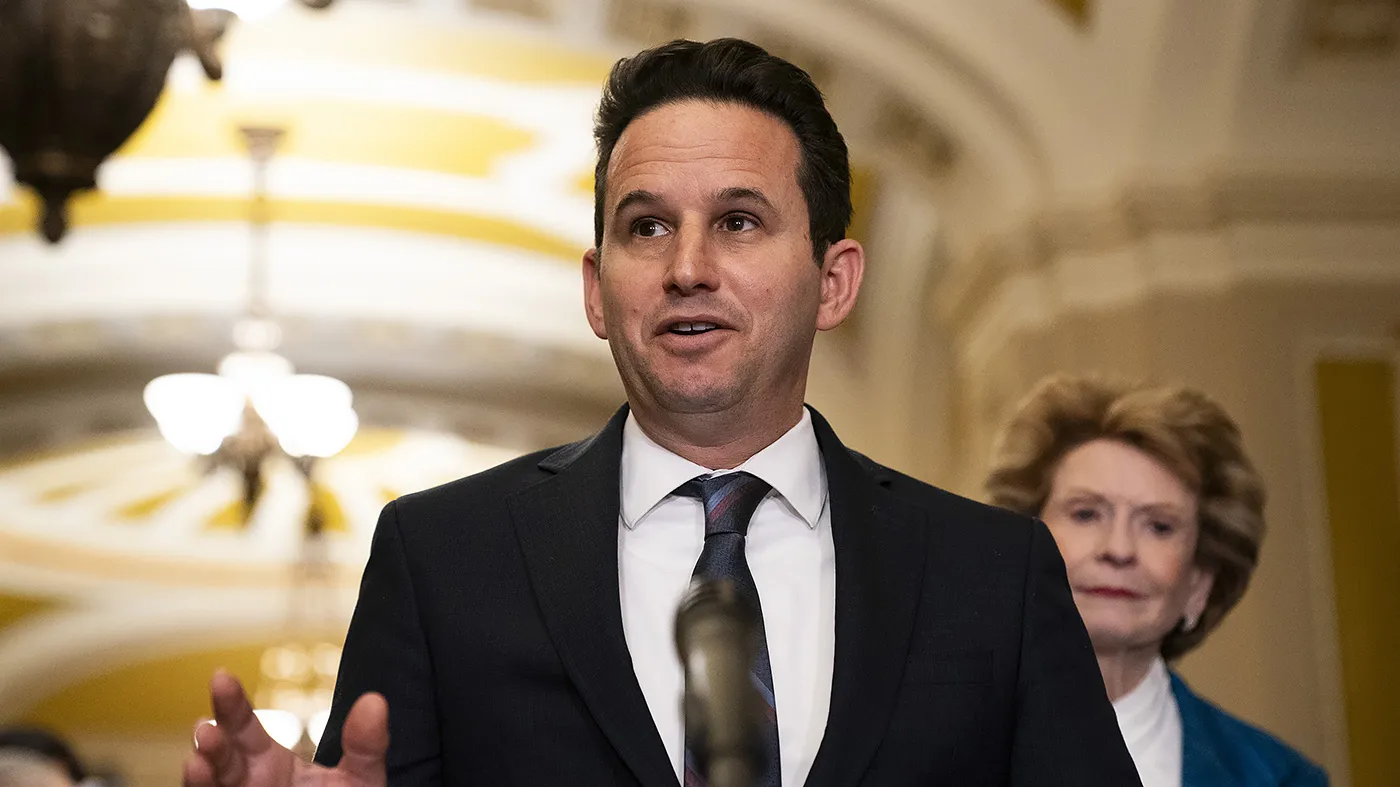
President-elect Trump announced a plan to impose 25 percent tariffs on goods entering the United States from Mexico and Canada, along with a 10 percent tariff on goods from China. Democratic Senator Brian Schatz of Hawaii expressed his concern that such tariffs would lead to higher prices for American consumers. He highlighted that these tariffs could be viewed as negotiation tactics but stressed the seriousness of Trump’s approach.
Concerns About Consumer Pricing
Schatz indicated that these tariffs might push up retail prices on common goods, counteracting ongoing efforts to extend the 2017 tax cuts set to expire by 2025. He noted that while tariffs could generate revenue, they primarily would burden consumers and serve multinational corporations.
- Tariffs on Mexico & Canada: Proposed 25% tariffs could impact essential consumer goods.
- Tariffs on China: An additional 10% tariff reinforces ongoing trade tensions.
- Consumer Impact: Retail price increases predicted on everyday goods.
A Broader Economic Context
Trump's strategy aims at pressuring these countries to enhance border security and curb drug exports. Historically, similar threats have led to significant shifts in trade agreements, showcasing the substantial consequences of tariff announcements in the global market.
This article was prepared using information from open sources in accordance with the principles of Ethical Policy. The editorial team is not responsible for absolute accuracy, as it relies on data from the sources referenced.