China's Reserve Requirement Ratio Cut to Boost Liquidity and Economic Growth
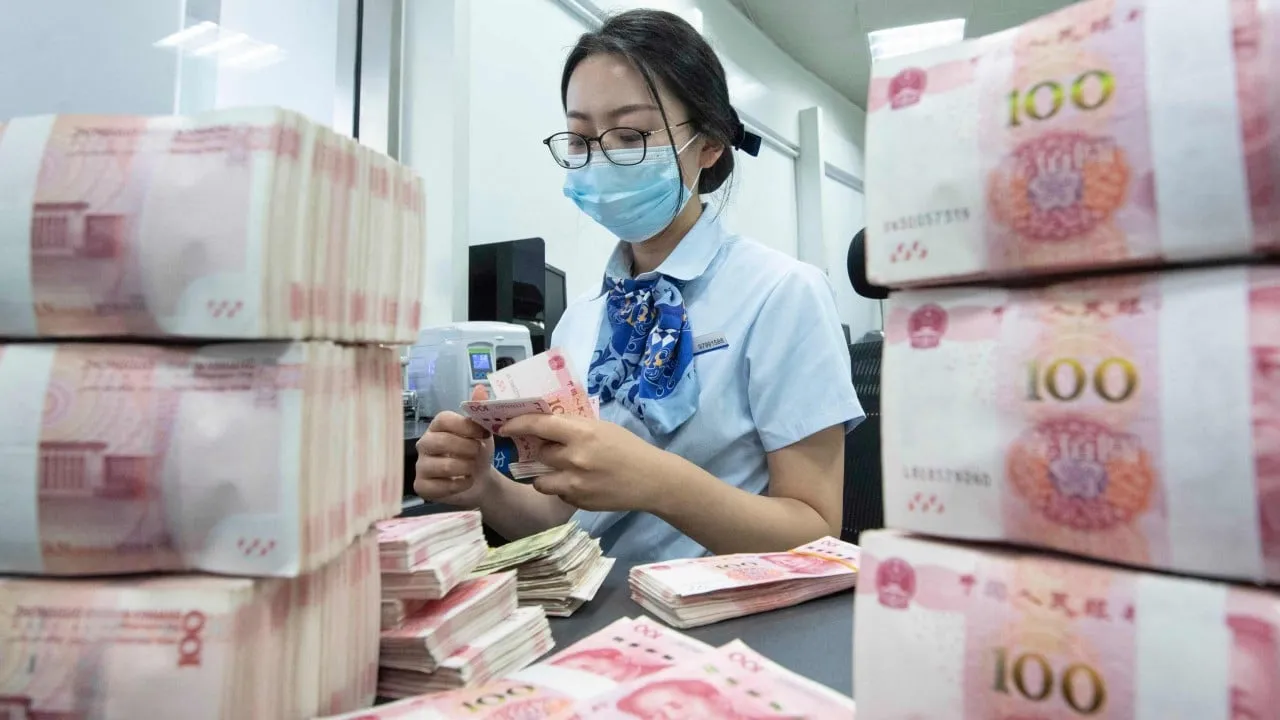
China's Central Bank Prepares for RRR Adjustment
China’s central bank is expected to further cut the amount of cash that commercial banks must hold as reserve by another half a percentage point in December to inject more liquidity into the market and also shore up economic growth, analysts said.
The window to reduce the reserve requirement ratio (RRR) is open because the government has stepped up the issuance of bonds, combined with the seasonal rise of liquidity and maturity of the medium-term lending facility, Citic Securities economists said on Monday.
The central bank may also use various tools, such as buy-back reverse repurchase agreements and government bond purchases, to stabilize market liquidity, they said.
Potential Economic Implications of the RRR Cut
If implemented, it would mark the third cut this year, following reductions in February and September, when half a percentage point cut each time injected 1 trillion yuan (US$138 billion) into the market.
Speaking at the Financial Street Forum in late October, People’s Bank of China governor Pan Gongsheng hinted at a cut of the ratio by between a quarter and half a percentage point before the end of the year “depending on market liquidity conditions.”
The average RRR for Chinese banks stood at 6.6 per cent as of September 27, with larger institutions required to hold 8 per cent of their deposits as reserves, while medium-sized banks must hold 6 per cent and small banks must hold 5 per cent, according to PBOC.
The prediction of a further RRR cut came as the world’s second-largest economy has shown signs of a mixed recovery on the back of the stimulus package released since late September.
As part of the package, China’s central bank unleashed a series of monetary easing measures to inject liquidity into the financial system, stimulate lending, and boost economic growth.
The measures also included multiple interest rate cuts and the introduction of a new open market outright reverse repo operations facility.
Following the rounds of stimulus, China’s retail sales in October reached an eight-month high, while overall fixed-asset investment kept steadily increasing, bolstering optimism that China can reach its annual gross domestic product target of “around 5 per cent.”
But despite the uptick in economic activity, analysts at HSBC had cautioned that external challenges could dampen the recovery and urged policymakers to implement “decisive support” to sustain this momentum.
This article was prepared using information from open sources in accordance with the principles of Ethical Policy. The editorial team is not responsible for absolute accuracy, as it relies on data from the sources referenced.