Countries Deadlock on UN Treaty on Plastic Pollution Amid Global Concerns
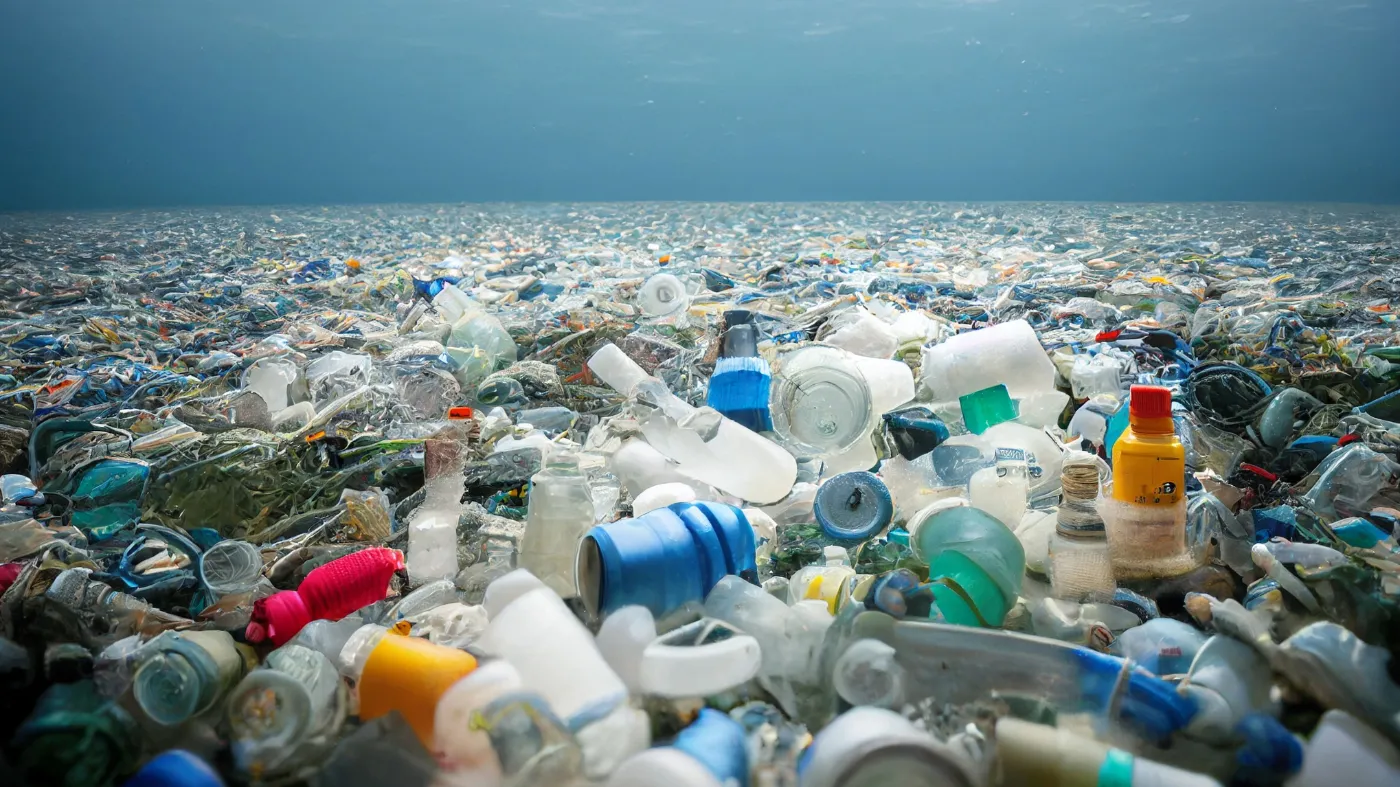
Negotiation Stalemate on Plastic Pollution Treaty
Countries have recently reached a deadlock on a United Nations treaty aimed at addressing plastic pollution. The negotiations, which took place in Busan, South Korea, highlighted a major hurdle: the disagreement among negotiators regarding the treaty’s approach to reducing global plastic production and implementing mandatory controls for toxic chemicals used in plastics.
More than 100 nations are pushing for changes that would not only tackle production but also focus on the cleanup and recycling of plastic waste. However, divisions are evident, particularly between nations that produce plastic and those advocating for stricter regulations on specific harmful chemicals.
Impact of Major Corporations on Plastic Waste
A recent study shed light on the extent of corporate responsibility in plastic pollution, revealing that five major companies contribute to 25% of global plastic waste. Notably, Coca-Cola stands out, accounting for 11% of branded plastic pollution worldwide, followed by other corporate giants like PepsiCo, Nestlé, Danone, and Altria.
Challenges Ahead: Consensus Among Nations
The main obstacle in reaching a consensus on the treaty is the requirement for unanimous agreement among participating nations on all proposals. This consensus-driven approach complicates the path forward as nations prepare for further discussions scheduled for next year. The failure to move past these critical issues underlines the complexity of establishing comprehensive environmental agreements in a fragmented international political landscape.
This article was prepared using information from open sources in accordance with the principles of Ethical Policy. The editorial team is not responsible for absolute accuracy, as it relies on data from the sources referenced.