Altcoins and Bitcoin Take Center Stage in ChatGPT's $1,000 Cryptocurrency Portfolio for 2025
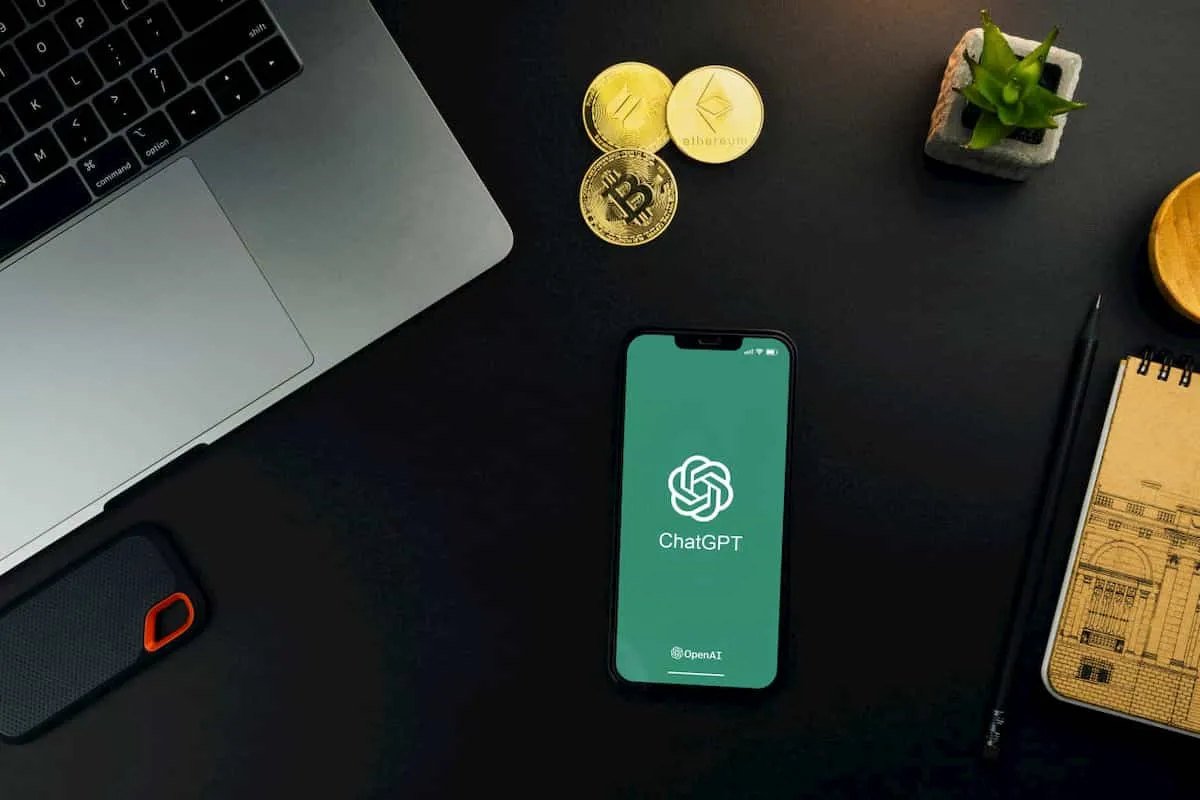
The wider cryptocurrency market entered a bull run following the conclusion of the United States presidential election in November. However, the surge hit its first speed bump quite quickly — in mid-December, the Federal Reserve announced that it would put fewer rate cuts in place in 2025 than was originally expected.
Bitcoin (BTC) saw prices crash from an all-time high (ATH) of roughly $106,000 to just $92,000, and altcoins predictably followed suit. December 20 turned out to be the worst day, with as much as $310 billion exiting the market. However, by press time, the price of Bitcoin had recovered to $96,551.
While analysts mostly remain bullish, there is an increasing number of voices that are now predicting a short-term correction. With these new developments in mind, Finbold has consulted OpenAI’s most advanced large language model (LLM) to construct a $1,000 cryptocurrency portfolio for the coming year.
Blue-chip Cryptocurrencies (70%)
A vast majority of GPT’s proposed portfolio is dedicated to blue-chip cryptocurrencies — namely, Bitcoin and Ethereum (ETH). With an initial balance of $1,000, the AI model would invest $700 in two flagship digital assets.
In the case of Bitcoin, which accounts for 40% of the entire portfolio, ChatGPT cited increasing institutional adoption, widespread global demand, and increasingly recognized utility as a store of value and hedge against inflation as bullish catalysts.
High-potential Altcoins (25%)
Surprisingly enough, ChatGPT only allocated a quarter of the portfolio — 25%, to altcoins. Readers should note that a wide variety of cryptocurrency analysts, such as Michaël van de Poppe, predict that altcoins will outperform BTC in 2025.
Stablecoins (5%)
Last but not least, ChatGPT suggested that investors should set aside 5% of their portfolio for stablecoins — preferably Tether (USDT) or USD Coin (USDC). These allocations are meant not to secure returns — rather, this allocation is meant to provide a degree of stability to the portfolio.
This article was prepared using information from open sources in accordance with the principles of Ethical Policy. The editorial team is not responsible for absolute accuracy, as it relies on data from the sources referenced.