2025 Crypto Predictions: Analyzing the Potential Impact of Trump’s Inauguration on Bitcoin
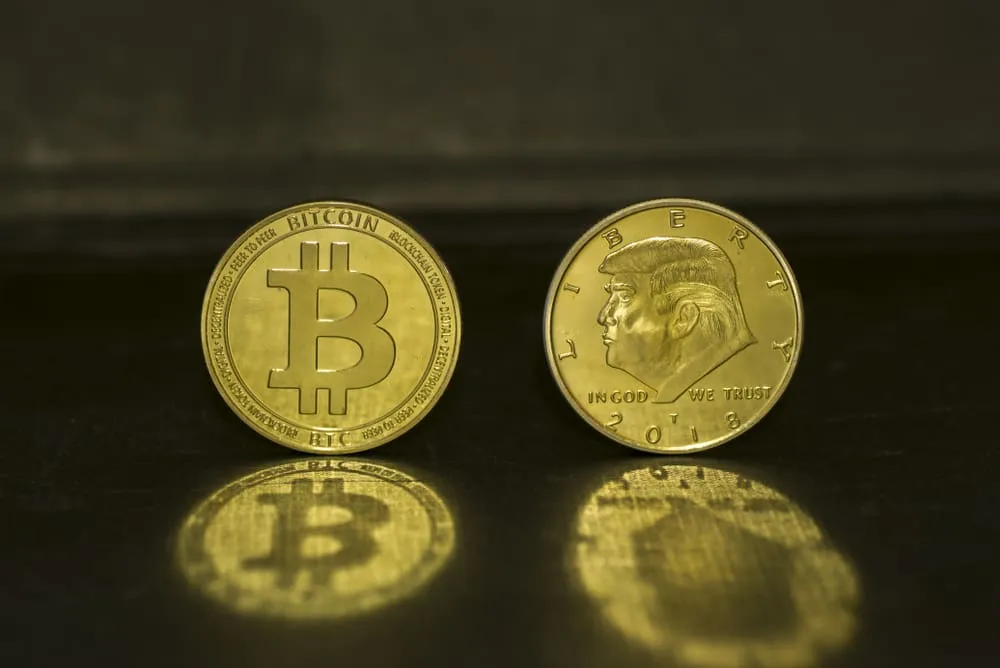
2025 Bitcoin Predictions: Analyzing the Potential Impact of Trump’s Inauguration on BTC
2025 Bitcoin predictions are taking center stage as Donald Trump’s inauguration approaches. Investors are buzzing with anticipation, but analysts caution about potential sell-offs in the crypto market. This uncertainty raises questions on whether the bullish sentiment will hold or face a reality check.
Market Sentiment and Expectations
As Trump's inauguration day nears, the atmosphere among crypto investors is charged with optimism. Nevertheless, market fatigue is becoming evident. Arthur Hayes, a well-known figure in the crypto space, expresses doubts. He notes that the gap between the elevated expectations of crypto investors and the achievable changes under Trump could prompt a significant shift.
- Key Insight: Hayes emphasizes a critical realization: Trump has limited time to enact meaningful policy changes.
- He anticipates that this awakening could lead to a sharp sell-off in crypto assets as the market confronts reality.
Bullish Trends Following Mining Halving
Despite Hayes' bearish stance, other analysts introduce a different perspective. Historical data suggests that Bitcoin (BTC) typically rallies in the year following a mining halving event. Analysts like Aporia argue that expectations of a bull market in Q1 2025 might prove false, as sometimes overly optimistic scenarios lead to disappointing outcomes.
- Key Historical Pattern: Bitcoin’s past performances after halving events indicate substantial price increases.
- Investors are encouraged to analyze current data while considering potential catalysts ahead.
Final Thoughts on 2025 BTC Predictions
While the crypto community awaits Trump's inauguration, caution prevails. Expectations remain high, yet the reality of market behavior could lead to volatility. Investors are urged to stay informed and prepared for potential shifts in sentiment, especially as the date approaches.
This article was prepared using information from open sources in accordance with the principles of Ethical Policy. The editorial team is not responsible for absolute accuracy, as it relies on data from the sources referenced.