Remote Work: Why Leadership Must Embrace It During Winter Storm Blair
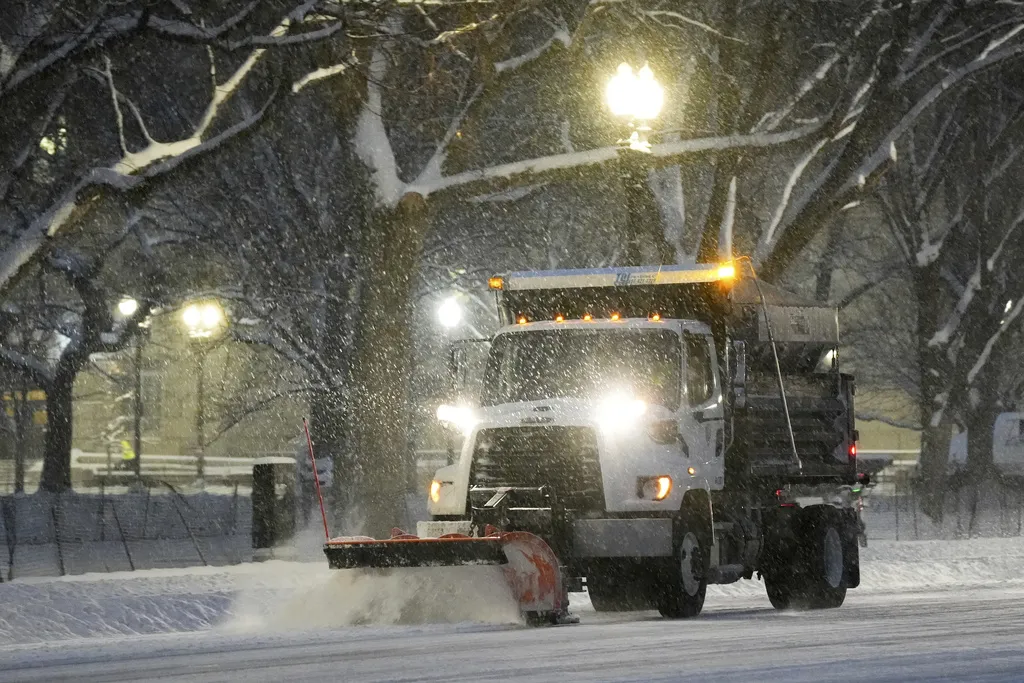
Urgent Need for Remote Work During Winter Storm Blair
As Winter Storm Blair wreaks havoc across the U.S., the lack of leadership in promoting remote work is frustrating and could save lives. With the storm affecting over 60 million people, leaders must pivot to remote work to reduce accidents and maintain productivity.
The Severity of Winter Storm Blair
The National Weather Service has issued dire warnings as blizzard conditions impact numerous states. In Ohio, hazardous travel conditions compel many to brave the storm when they should be working from home.
- Remote work technically feasible: COVID-19 showed us companies can operate virtually.
- Safety risks: Commuting during severe weather is perilous and preventable.
- Operational resilience: Remote work safeguards health while ensuring business continuity.
Comparative Insights
Countries like Japan routinely encourage remote work during severe weather, showcasing a modern approach to crisis management. Lack of similar actions here reflects poorly on leadership.
- Proactive vs. reactive mindset
- Need for unified calls for remote work policies
- Importance of safeguarding employees during emergencies
The Business Imperative
Failing to adopt remote work during emergencies undermines trust and operational efficiency. Leaders must act now and urge businesses to prioritize safety by enabling remote work.
Embracing Modern Solutions for Crisis Management
Remote work is essential during events like Winter Storm Blair. Leaders at all levels should urge businesses to adopt these practices to protect lives and livelihoods effectively.
This article was prepared using information from open sources in accordance with the principles of Ethical Policy. The editorial team is not responsible for absolute accuracy, as it relies on data from the sources referenced.