An In-Depth Look at New York City's Congestion Pricing and Its Impact on Traffic
Understanding Congestion Pricing
Congestion pricing is a transformative initiative aimed at reducing traffic in urban centers. This approach charges drivers a fee for entering congested zones during peak hours. New York City has recently implemented this scheme in its bid to manage traffic flow more effectively.
Current Implementation
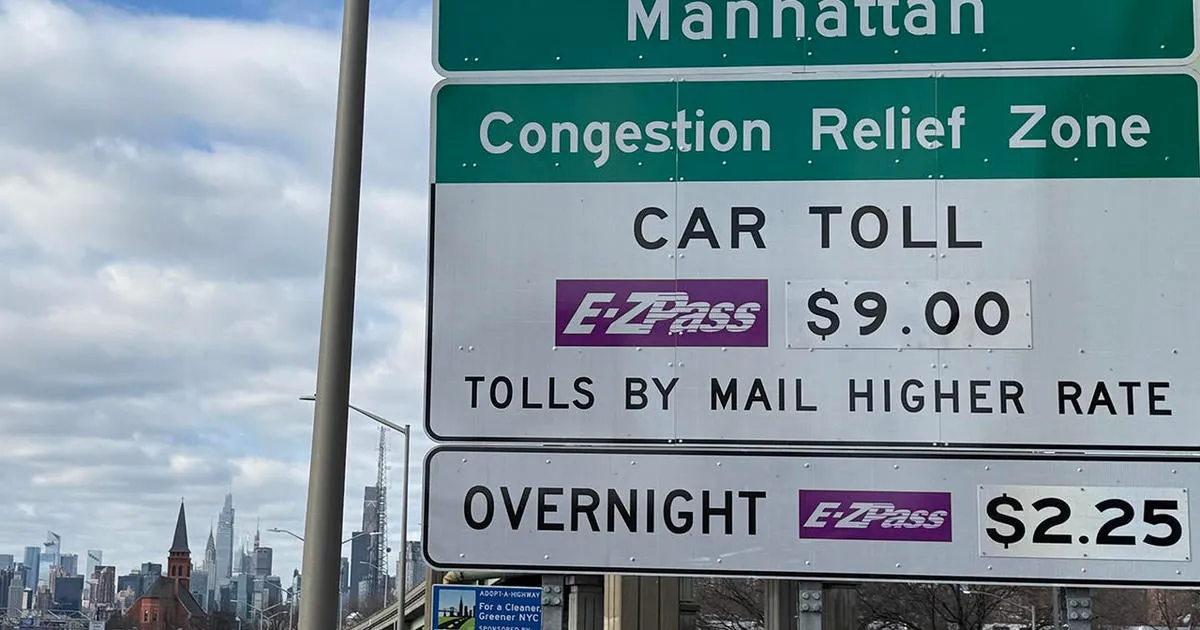
As of last Sunday, any vehicle crossing into the lower half of Manhattan is subject to a $9 toll, with trucks facing even steeper charges. This strategic pricing is based on real-time traffic data, aiming to incentivize alternative transportation methods.
- Over 1,400 cameras monitor vehicles entering the zone.
- An estimated 150,000 vehicles cross into the area daily.
- Revenue generated will be allocated to public transit improvements.
Potential Outcomes
The introduction of congestion pricing is anticipated to have significant effects on urban traffic patterns. By discouraging non-essential trips, the city aims to enhance mobility for residents and commuters alike. Additionally, it is expected to lower vehicle emissions and encourage the use of public transportation.
This article was prepared using information from open sources in accordance with the principles of Ethical Policy. The editorial team is not responsible for absolute accuracy, as it relies on data from the sources referenced.