Tariffs Under Donald Trump: Analyzing Their Role in Inflation
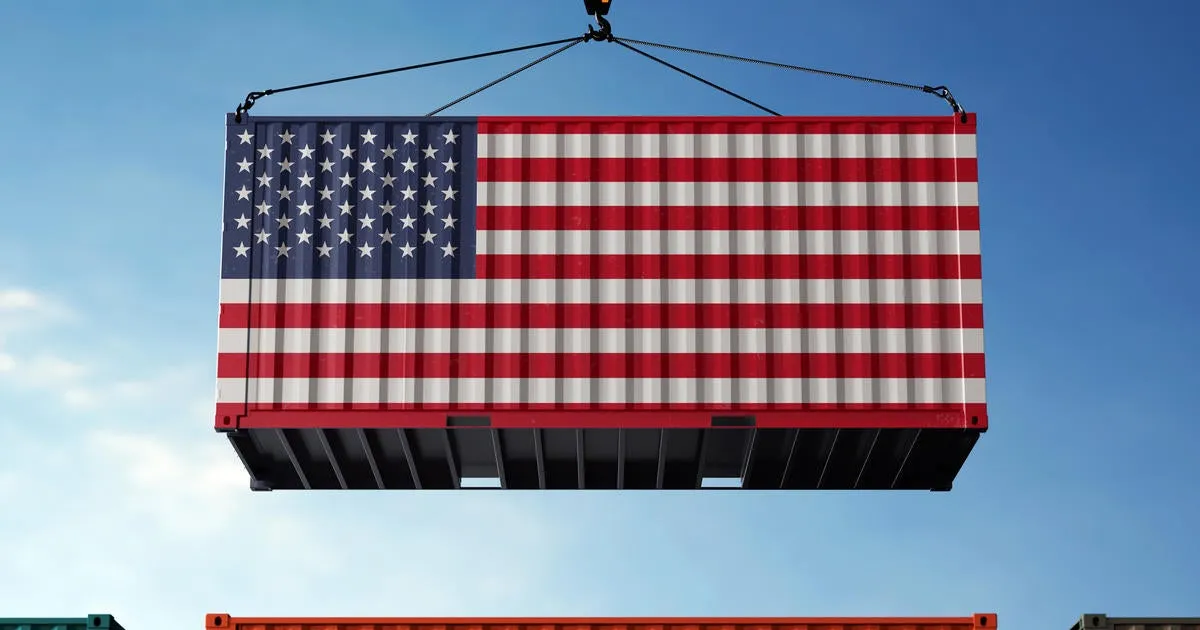
Understanding Tariffs and Their Economic Implications
Tariffs, which are taxes on imported goods, are significant tools for managing trade relationships. On February 1, President Trump is poised to enact new import duties that affect key trading partners like Mexico, Canada, and China.
Effects of Tariffs on Domestic Markets
While tariffs are intended to bolster U.S. manufacturing, they also place financial strain on American consumers who face higher prices. According to the Tax Foundation, the financial burden of these tariffs primarily falls on U.S. businesses, which often pass these costs onto consumers.
Proponents vs. Opponents of Tariffs
- Proponents argue that tariffs shield domestic companies and create jobs.
- Opponents contend that tariffs distort market prices, leading to inflationary pressures.
Conclusion: The Future of Tariffs and Inflation
The ongoing debates around tariffs and inflation highlight the complex dynamics of international trade policy and its implications for the U.S. economy. As the situation evolves, stakeholders will need to consider the balance between protecting domestic industries and ensuring affordability for consumers.
This article was prepared using information from open sources in accordance with the principles of Ethical Policy. The editorial team is not responsible for absolute accuracy, as it relies on data from the sources referenced.