Tariffs Imposed by Donald Trump: Effects on Inflation and Prices
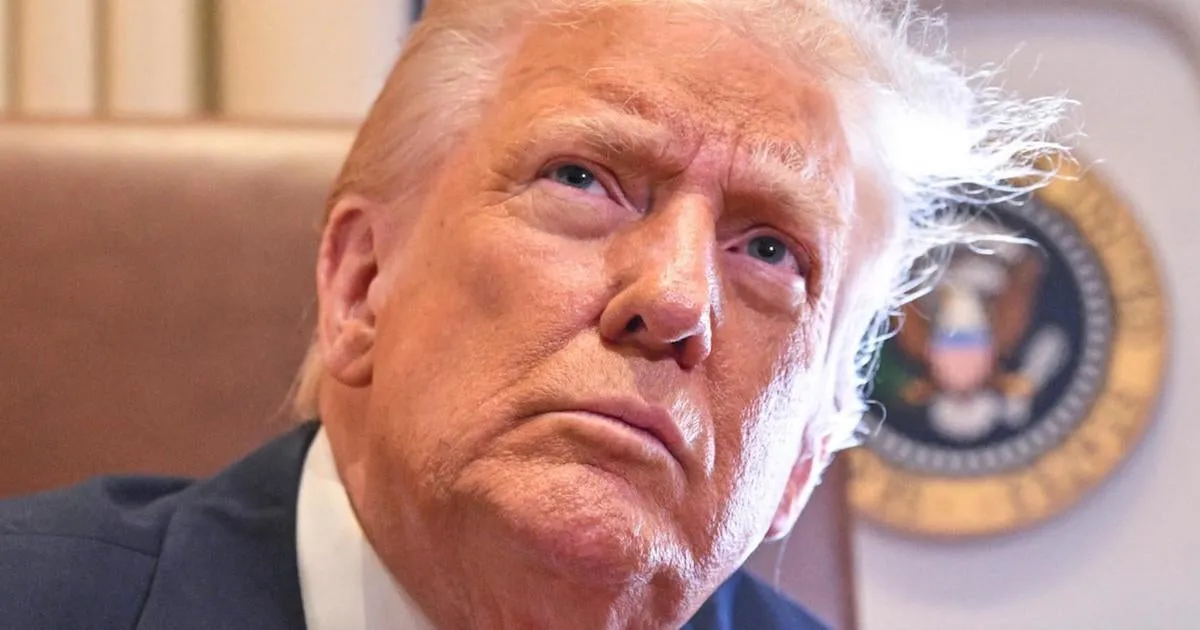
Tariffs Overview
Donald Trump has signed new executive orders imposing 25% tariffs on steel and aluminum imports. The primary goal of these tariffs is to protect U.S. manufacturers and stimulate domestic production. Yet, this move raises essential questions about its broader economic implications.
Inflationary Pressures
The introduction of these tariffs may lead to i rising costs across several sectors. As businesses adjust to new pricing structures, consumers might notice increases in product prices that depend heavily on steel and aluminum.
- Automotive Industry: Higher costs for cars and other vehicles.
- Construction Costs: Increased expenses for building materials.
- Consumer Goods: Price hikes on everyday items that use steel or aluminum in production.
Economic Perspectives
Economists suggest that while the intent is to revitalize U.S. manufacturing, the broader effects of tariffs may lead to inflationary pressures that could counteract any benefits to domestic industries.
Furthermore, the decision may cause some foreign manufacturers to raise their prices proactively, anticipating the tariffs.
This article was prepared using information from open sources in accordance with the principles of Ethical Policy. The editorial team is not responsible for absolute accuracy, as it relies on data from the sources referenced.