Trump’s Tariff Exemptions: A Shift in Trade Dynamics with Canada and Mexico
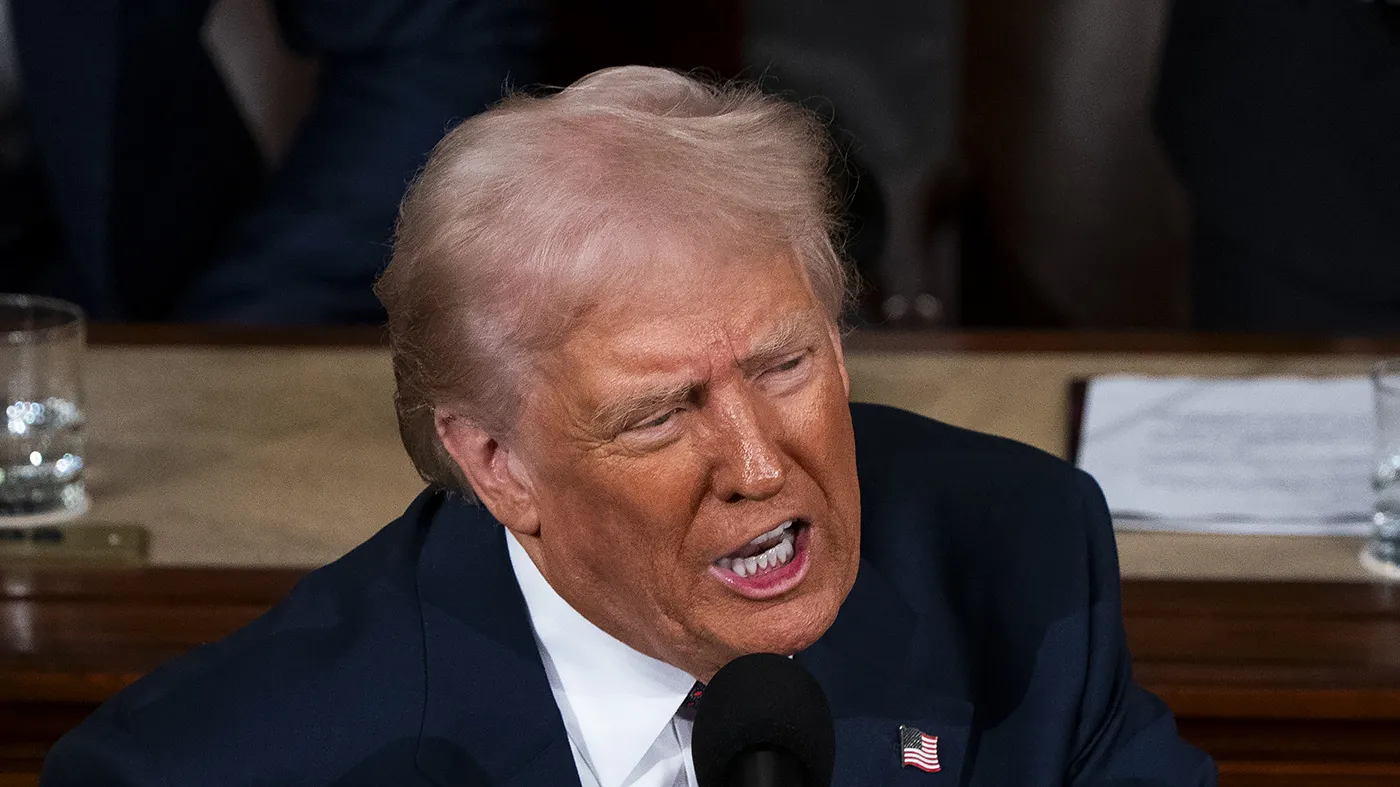
Overview of Tariff Exemptions
President Trump recently signed off on tariff exemptions for specific imports from Canada and Mexico that are compliant with the U.S.-Mexico-Canada Agreement (USMCA). This decision represents a pivotal turnaround from earlier tariff measures imposed this week. The exemptions mean that eligible goods will remain free from tariffs until April 2.
Details About the Exemptions
The orders entail significant changes, including a reduction of tariffs on Canadian potash, a critical fertilizer ingredient, from 25% to 10%. Furthermore, auto parts and other auto imports from Mexico are also exempted from duties during this period.
Commerce Secretary's Statement
Commerce Secretary Howard Lutnick emphasized the importance of these exemptions, stating, “USMCA-compliant goods will not have a tariff for the next month.” He expressed hope regarding the potential for decreased fentanyl deaths, which have influenced tariff discussions significantly.
Ongoing Tariff Landscape
While many imports from Canada and Mexico will benefit from the exemptions, White House officials disclosed that approximately 62% of Canadian imports and 50% of Mexican imports are not covered by USMCA and will still bear tariffs. Trump had initially imposed a 25% tariff on these imports amid growing concerns over fentanyl trafficking.
Market Reactions
The unpredictable nature of Trump's tariff policies has stirred volatility in financial markets, contributing to recent losses in the Dow Jones Industrial Average, Nasdaq composite, and S&P 500 indexes. Businesses have cautioned that further tariffs could escalate consumer goods prices, emphasizing potential economic ramifications.
Future Projections
As April approaches, Trump has indicated his intention to introduce reciprocal tariffs against countries imposing duties on U.S. products, alongside additional sector-specific tariffs affecting autos, semiconductors, pharmaceuticals, and other materials.
This article was prepared using information from open sources in accordance with the principles of Ethical Policy. The editorial team is not responsible for absolute accuracy, as it relies on data from the sources referenced.