DeepSeek Accelerates AI Adoption Among Rural Residents in China
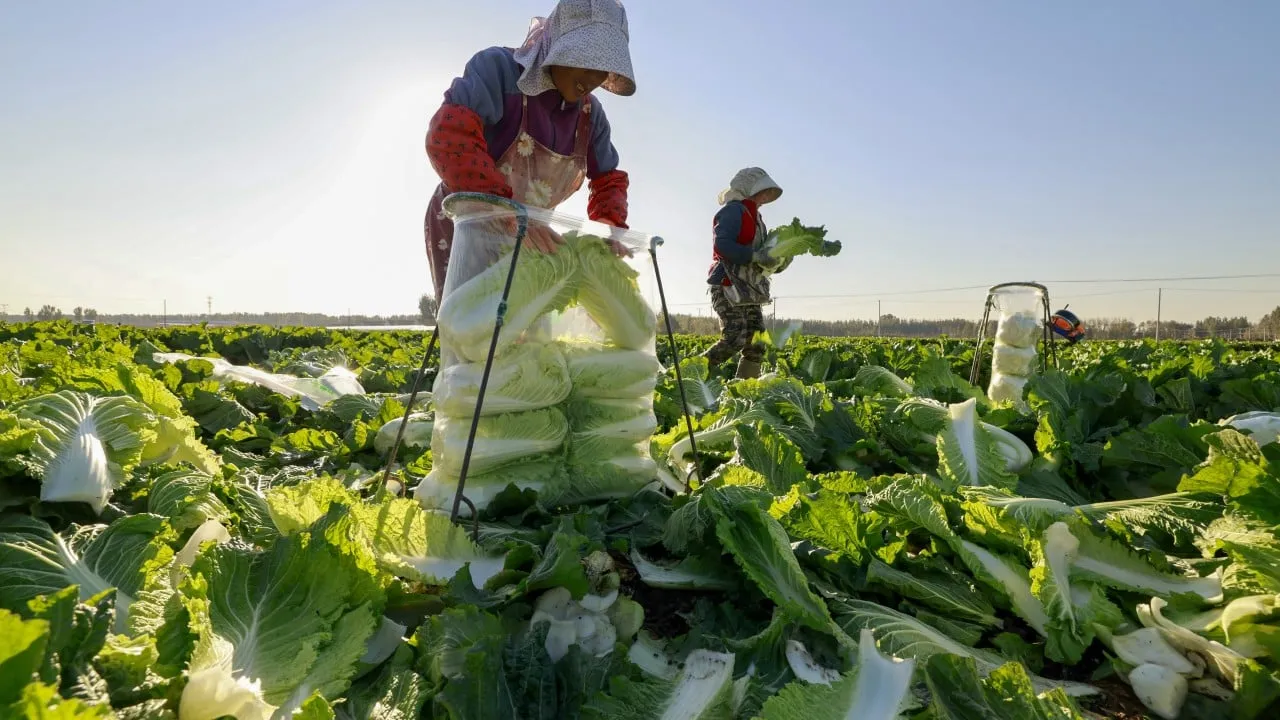
DeepSeek Sparks an AI Revolution in Rural China
A DeepSeek moment is playing out in China’s vast countryside as peasants discover that AI chatbots provide essential advice on farming.
With extensive internet coverage, rural residents account for a significant segment of China's 1.4 billion population. They are keen to apply artificial intelligence (AI) services in agriculture, following the widespread adoption spurred by DeepSeek's innovative open-source models.
Big Tech Embraces Rural AI Solutions
Major Chinese tech firms, such as Alibaba and Tencent, have developed AI chatbots to facilitate access to technology. In a strategic move, Alibaba partnered with the Zhejiang government to help narrow the rural-urban poverty gap.
- Tencent’s Yuanbao has emerged as a vital tool for farmers.
- ByteDance’s Doubao and Alibaba’s Tongyi are also gaining traction.
In towns like Jiaohe in Jilin province, leaders advocate for AI use among villagers to streamline various tasks, including government subsidies and livestock management.
Campaigns and Community Engagement
The AI Goes Rural campaign from Tencent emphasizes tailored features such as image recognition. As community slogans promoting Yuanbao proliferate, the chatbot has become integral to rural life.
- Identify crop pests—ask Tencent Yuanbao.
- Seek entrepreneurial guidance—ask Tencent Yuanbao.
- Get help with e-commerce—ask Tencent Yuanbao.
Tencent's initiatives have led to a 20-fold increase in Yuanbao's daily users, indicating a massive shift towards AI in agriculture.
Government Initiatives and the Way Forward
Governments are leveraging AI to empower agriculture. In Enping, DeepSeek’s technology alerts farmers to pest risks via text messages.
Despite promises of narrowing the urban-rural divide, fears about irresponsible AI usage linger. Education on responsible practices is critical, as highlighted by the party secretary in Jilin, who plans to conduct training sessions on rational AI use.
As technology democratizes access, rural areas must capitalize on this opportunity to close the knowledge gap.
This article was prepared using information from open sources in accordance with the principles of Ethical Policy. The editorial team is not responsible for absolute accuracy, as it relies on data from the sources referenced.