5 Key Insights from Republicans' New Blueprint to Advance Trump's Agenda
Understanding Trump's Tax Cuts
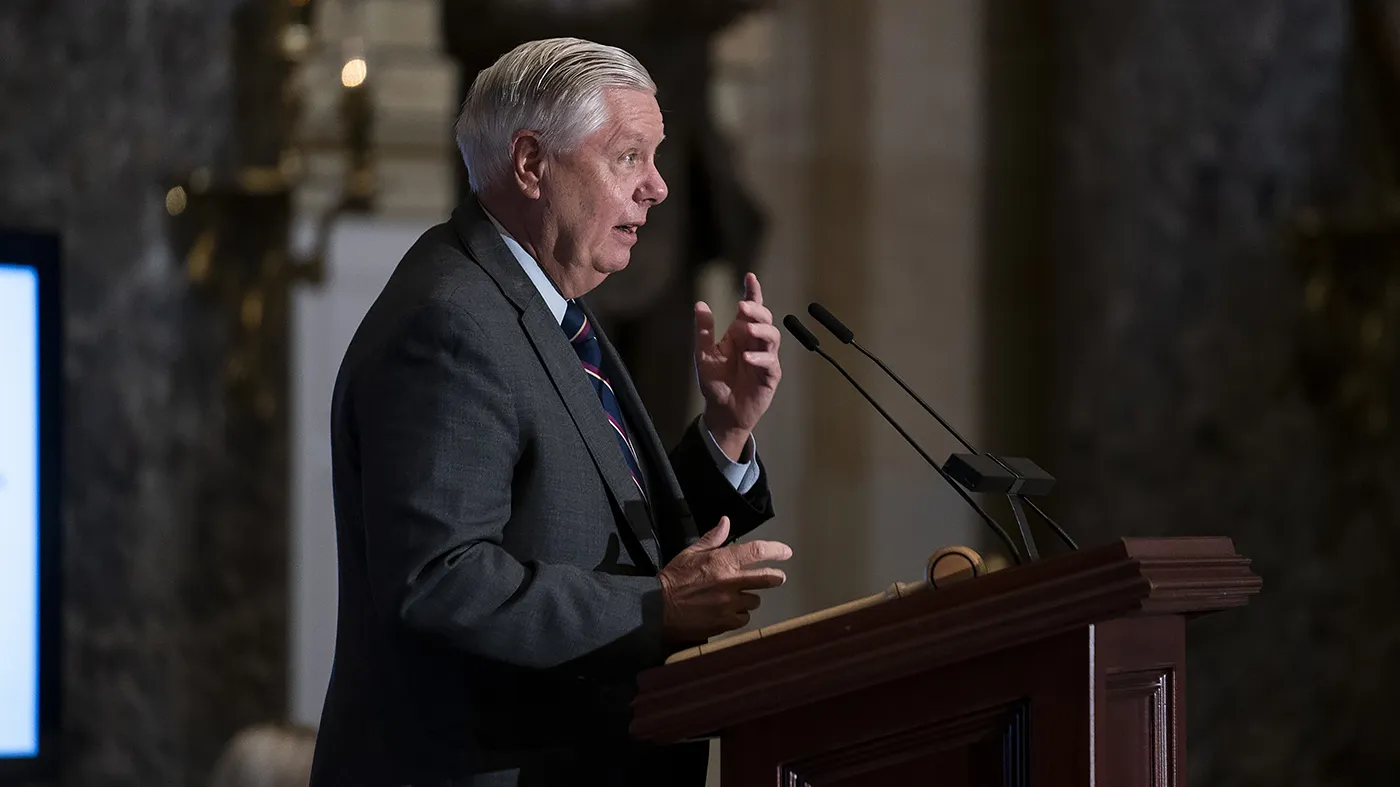
Senate Budget Committee Chair Lindsey Graham (R-S.C.) expressed optimism that Republicans will permanently extend Trump’s 2017 tax cuts, claiming this approach will tremendously boost the economy. Republicans aim to adopt this resolution swiftly to enable significant tax cuts without requiring Democratic support.
Spending Cuts Overview
- The House’s instructions target at least $1.5 trillion in savings over the next decade.
- In contrast, Senate instructions mandate at least $4 billion in cuts.
- Various committees are tasked with identifying potential reductions to ensure flexibility in writing the bill.
Debt Ceiling Raise
The proposal includes raising the debt limit significantly, with the House calling for a $4 trillion increase and the Senate advocating for $5 trillion. This increase aims to stave off potential default risks and stabilize the economy during key elections.
Healthcare Implications
One notable aspect is the push to reduce deficits by at least $880 billion through potential Medicaid cuts. This contentious point may create hurdles as legislators seek to navigate public healthcare funding amidst fiscal reforms.
Conclusion: Looking Ahead
As Republicans set their sights on advancing these measures, the implications for the economy and government spending are significant. The plan signifies a commitment to fiscal conservatism amid pressing budgetary concerns.
This article was prepared using information from open sources in accordance with the principles of Ethical Policy. The editorial team is not responsible for absolute accuracy, as it relies on data from the sources referenced.