Trump's Tariffs: A Bold Economic Move with Potential Repercussions
Trump's Tariffs: A Double-Edged Sword
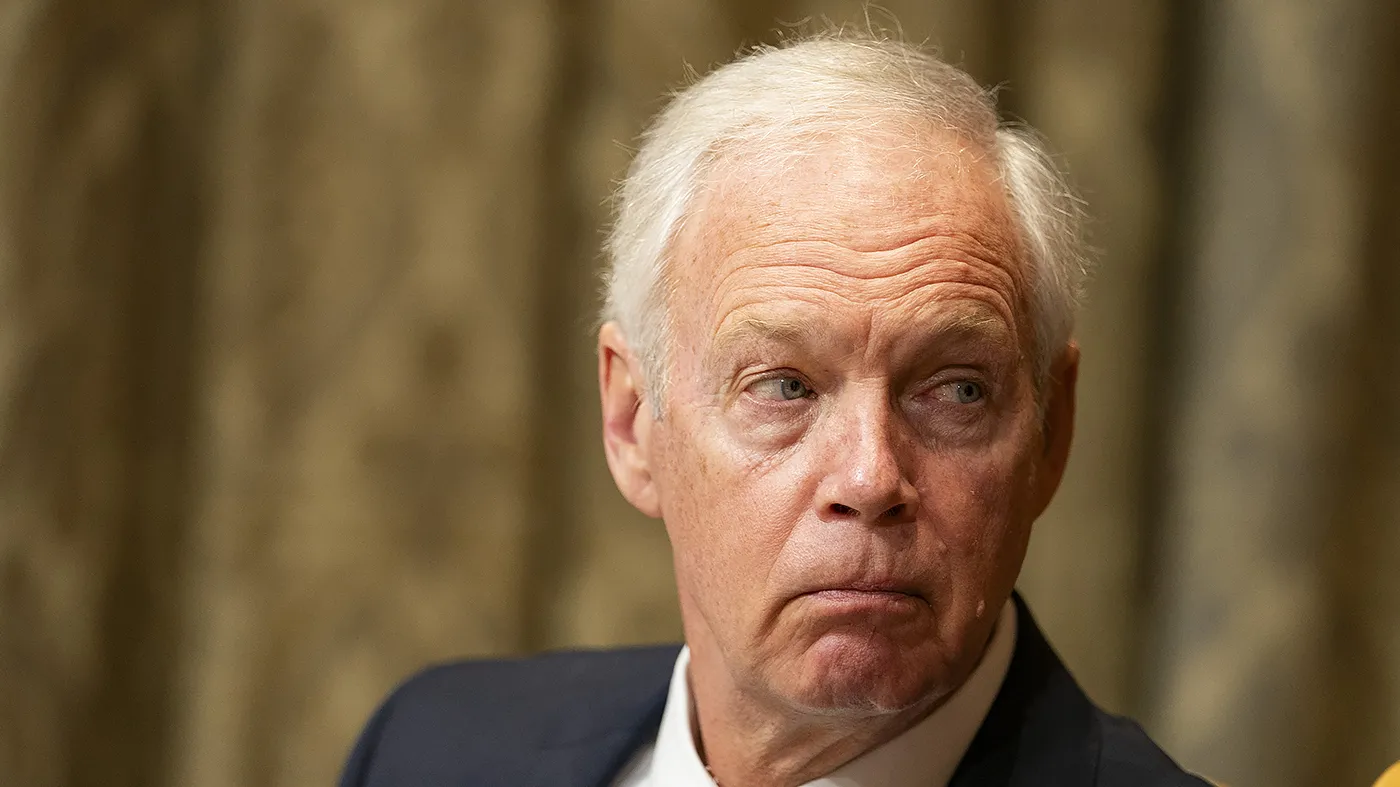
Trump's recent announcement of reciprocal tariffs raises questions about their impact on the economy. Sen. Ron Johnson remarked, "Tariffs are a double-edged sword," emphasizing the risks involved. On Wednesday, Trump termed the day "Liberation Day," launching a tariff agenda affecting numerous countries. Most countries faced a tariff set at half of what they impose on U.S. goods, with a baseline of 10 percent for others.
Economic Concerns and Political Responses
Despite Trump's optimistic view of entering a "golden age of America," economists caution that these tariffs may precipitate a recession. Some lawmakers, including Sens. Rand Paul and Mitch McConnell, have expressed concerns, voting against Trump's 25 percent tariffs on Canadian goods. Johnson criticized these efforts, asserting his support for Trump and highlighting potential investments in the U.S. stemming from the tariff strategy.
As discussions about the tariffs continue, the economic landscape remains uncertain. While Trump aims for growth, the risks associated with these tariffs could leave a lasting impact on both domestic and international markets.
This article was prepared using information from open sources in accordance with the principles of Ethical Policy. The editorial team is not responsible for absolute accuracy, as it relies on data from the sources referenced.