Real Estate Crisis and Investment Strategies for China’s Middle Class
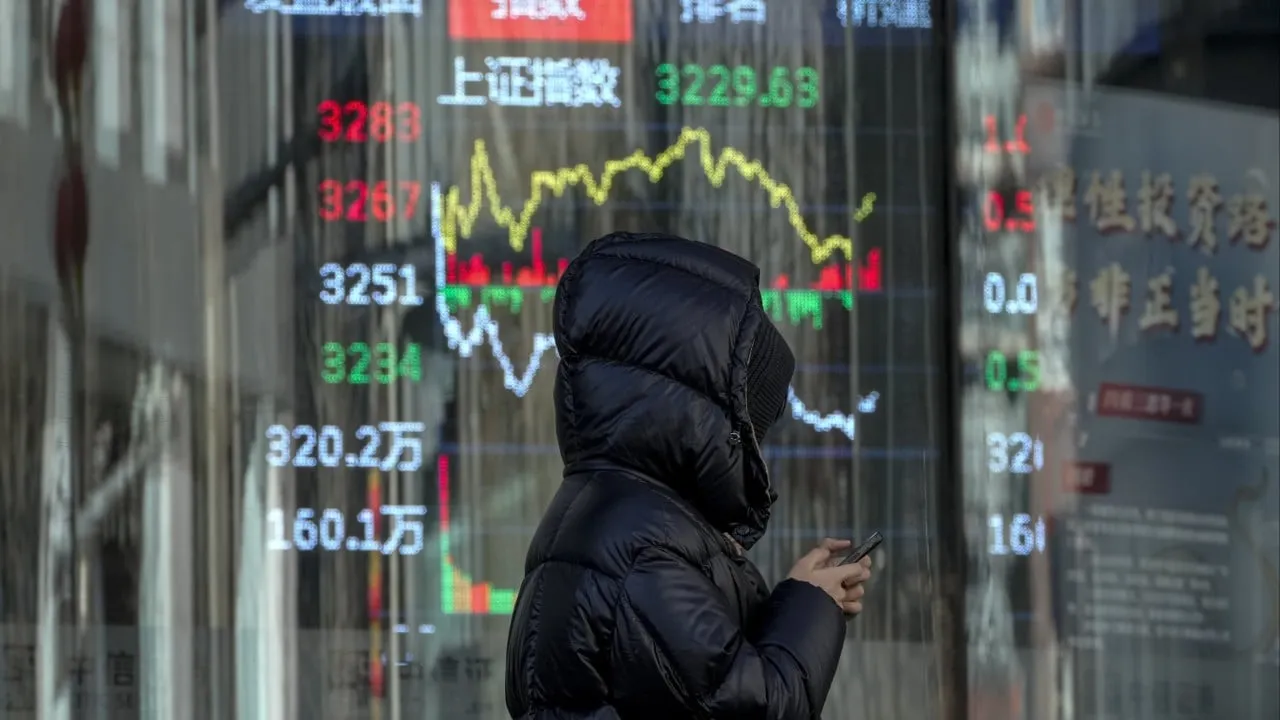
Impact of China’s Real Estate Crisis on Investment Decisions
As the real estate crisis unfolds in China, the middle class finds itself scrambling to adjust their investment strategies. Investors like Eric Li have experienced firsthand the challenges of selling properties, with diminishing returns after renovation and interest costs.
Uncertain Investment Strategies
With the CSI 300 Index fluctuating and traditional investments like Hong Kong stocks now fraught with risks, many are looking to alternatives but are met with new uncertainties. Simon Zhao from Beijing Normal University notes that the drastic shrinkage of property values has left many feeling lost.
- Rethinking Investments: Once certain investments in real estate and stocks are now precarious.
- Shifting Loyalty: Cautiousness prevails as many turn to luxury assets like gold and watches that show signs of declining returns.
- Weak Consumption: Dwindling consumer confidence impacts the luxury market, reflecting how deeply the economic conditions have shuffled investments.
Market Reaction and Future Strategies
Meanwhile, divergent trends in asset classes call for strategic planning. As reported, luxury watch prices are plummeting, showcasing the bleak future thoughts of investors like Stephen Liu while showing their preferability towards more stable investments.
- Focus on safe-haven assets like gold and USD.
- Consider Hong Kong's more stable dividend-paying companies.
- Maintain a cautious attitude towards high-risk investments.
Conclusion: A New Financial Reality
In light of these circumstances, the Chinese middle class faces a shifting financial landscape that demands a reevaluation of their investment portfolios. The move towards more strategic, cautious planning signifies a turning point in investment behaviors.
This article was prepared using information from open sources in accordance with the principles of Ethical Policy. The editorial team is not responsible for absolute accuracy, as it relies on data from the sources referenced.