Tariffs and Their Impact on the Stock Market: Analyzing the U.S. 104% Tariff on China
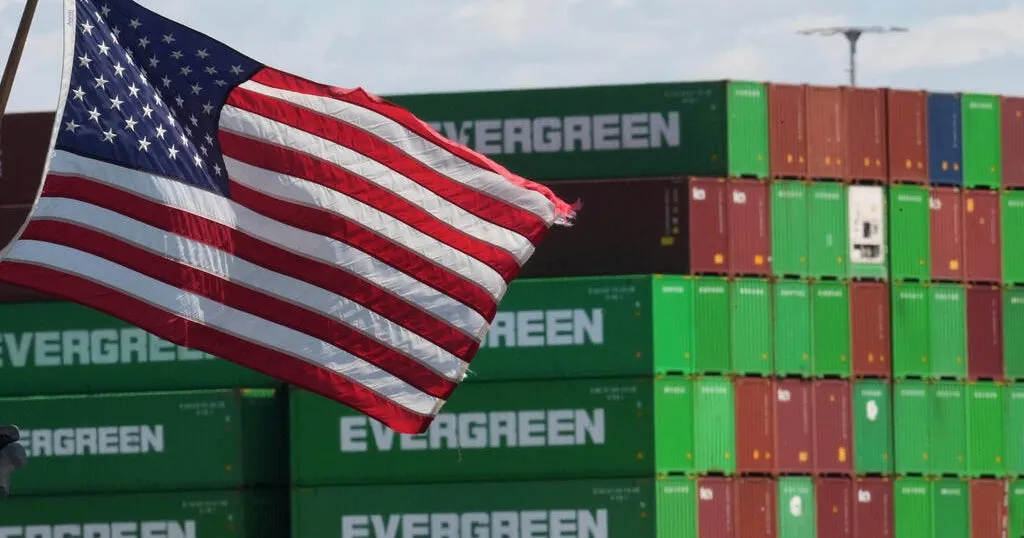
Tariffs and Stock Market Reaction
On the evening of {date}, the U.S. government announced a substantial 104% tariff on China, effective starting at 12:01 a.m. EST Wednesday. This news led to a drastic market response, as stocks reversed earlier gains. The Dow Jones Industrial Average suffered a significant drop of 800 points, or 2.1%, concluding at 37,165. Meanwhile, the S&P 500 and the Nasdaq Composite index fell by 2.8% and 3.4%, respectively.
Market Analysis Amid Tariffs
The introduction of these tariffs has heightened fears of inflation, given that businesses may pass on increased costs to consumers. Wall Street economists warn that sustained tariffs could hinder economic growth and elevate the chance of a recession. However, early Tuesday saw a brief recovery as optimistic investors speculated that tariffs might be negotiated down, supported by insights from Treasury Secretary Scott Bessent, who indicated ongoing negotiations.
Broader Implications
This sell-off marks a continuation of the market's volatility, following a three-day period that has wiped trillions off market valuations, and underscores the interconnectedness of global economic policies and financial markets.
This article was prepared using information from open sources in accordance with the principles of Ethical Policy. The editorial team is not responsible for absolute accuracy, as it relies on data from the sources referenced.