Exploring Donald Trump's Tariffs on China and Their Economic Implications
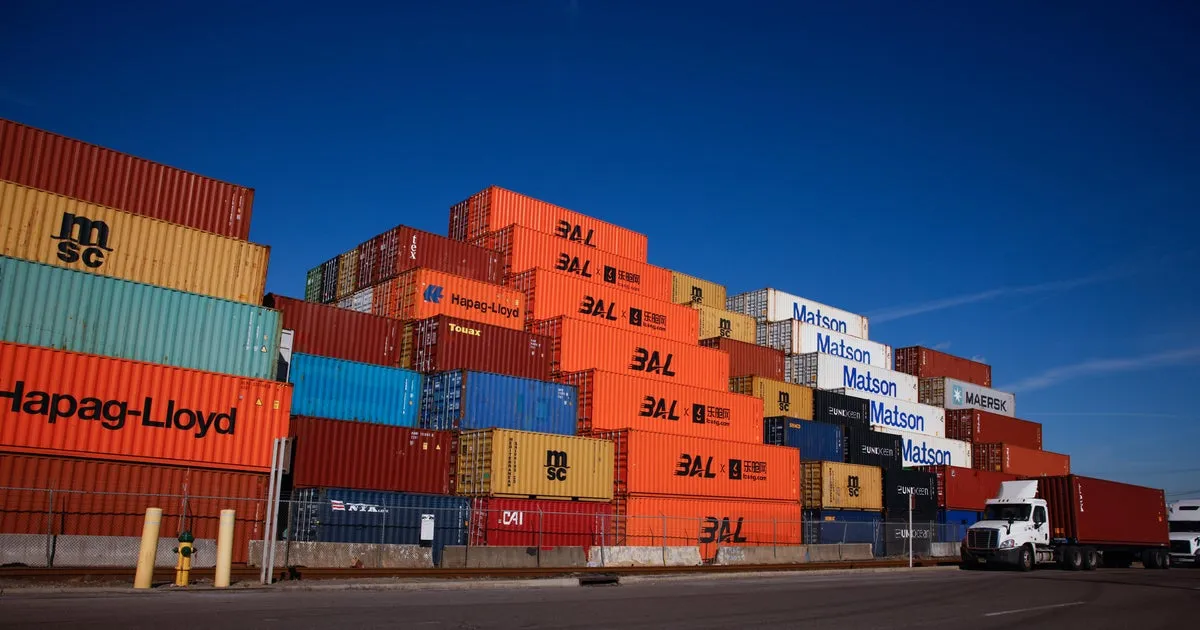
Understanding Donald Trump's New Tariffs
Donald Trump's latest tariffs on imports have sent shockwaves through the global economy, especially regarding China. The 104% levy on Chinese goods isn't just a statistic; it symbolizes escalating trade tensions. As these tariffs come into force, financial markets are already reacting negatively.
Immediate Market Reactions
- Nikkei 225: Down 4.7% at mid-afternoon in Tokyo.
- Hang Seng: Decline of 1.8% in Hong Kong.
- Shanghai Composite: Slight drop of 4 points.
The U.S. stock futures indicate a continued downward trend, with major indices showing sharp declines: S&P 500 futures at 2.39% down, Dow Jones Industrial Average futures off 2.15%, and Nasdaq Composite futures lower by 2.39%.
Global Economic Implications
Following the introduction of these tariffs earlier in the week, tensions with various trading partners, including the European Union and Japan, have worsened. As the trade war intensifies, China stands out as the most severely impacted nation, raising concerns among economists regarding future relations and market stability.
Politicized Trade Strategies
White House Press Secretary Karoline Leavitt stated these tariffs are crafted to facilitate negotiations with U.S. trading partners. The approach raises critical questions about the future of international commerce and the long-term economic strategies of the Trump administration.
This article was prepared using information from open sources in accordance with the principles of Ethical Policy. The editorial team is not responsible for absolute accuracy, as it relies on data from the sources referenced.