Trump's Tariffs Pause: The Market Dynamics Behind the Decision
Market Forces and Trump's Tariffs Pause
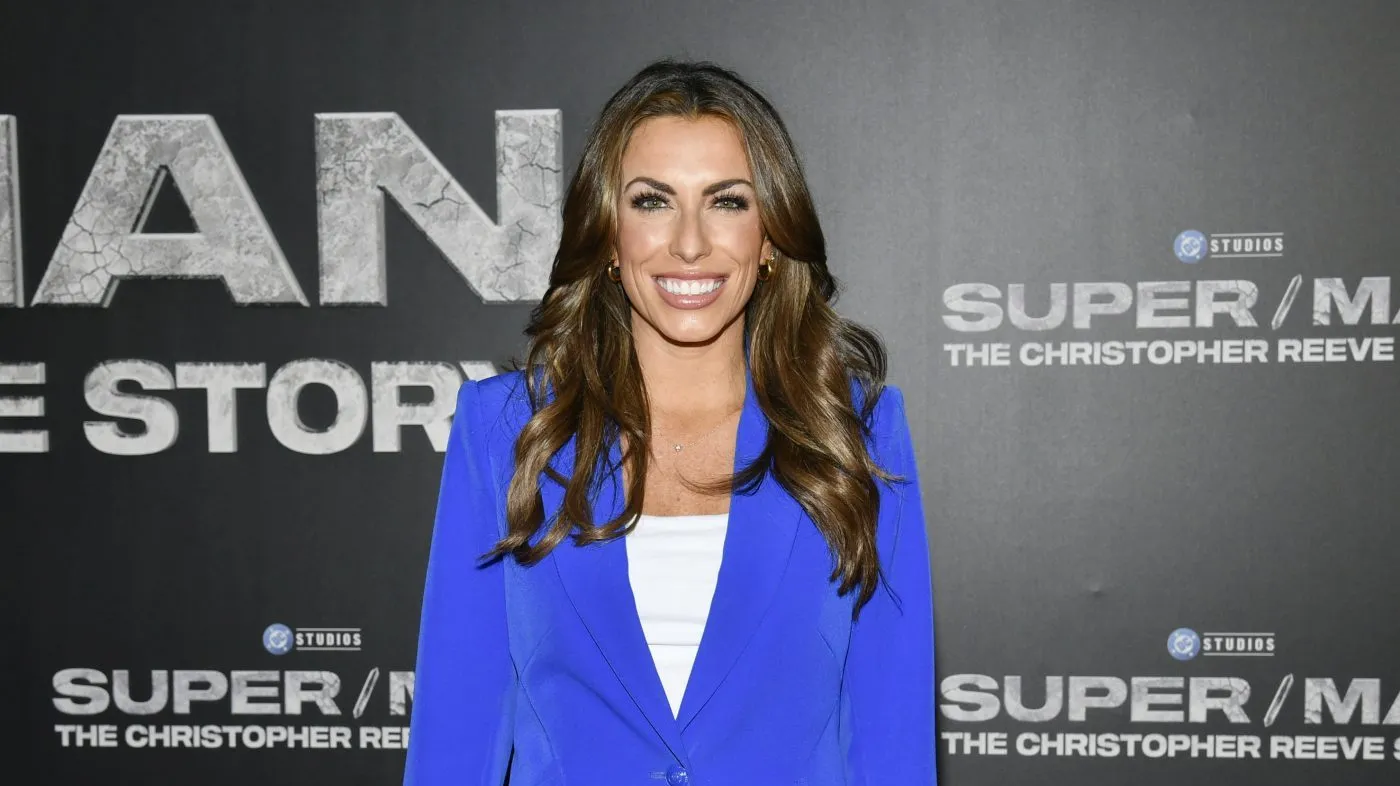
In recent statements, former White House staffer Alyssa Farah Griffin emphasized that President Trump's decision to implement a 90-day pause on reciprocal tariffs was primarily a reaction to severe disruptions in the bond markets. Griffin indicated that the president acknowledged the market tremors on the South Lawn, noting, 'he was looking at the bond markets collapsing.'
Economic Implications of Tariff Adjustments
The sudden shift in U.S. trade policy has led to a remarkable stalemate in the typically stable bond market, evidenced by only a single bond offering at its opening this past Tuesday. On Wednesday, Trump admitted that the necessity to adjust his tariff strategies arose from market turmoil and critical warnings from influential figures in finance, including JPMorgan Chase CEO Jamie Dimon.
- Trump's Approach: The president conveyed a sense of urgency, mentioning concerns of market apprehension.
- Communication Gaps: Griffin criticized the coherence of messages from the White House, suggesting that significant decisions were made within a tight-knit circle.
Negotiation and Tariff Strategy
During a press briefing, Trump confirmed that while some import taxes would persist, others could lift if countries engage in productive negotiations. 'There can be permanent tariffs and there can also be negotiations.'
Expectations among key investors, like billionaire Bill Ackman, about the potential fallout of impending tariffs likely pushed the administration towards this interim solution. Indeed, with business leaders and foreign counterparts expressing discontent over the fiscal landscape, it appears that Trump's hand was indeed forced by a cascade of market realities.
This article was prepared using information from open sources in accordance with the principles of Ethical Policy. The editorial team is not responsible for absolute accuracy, as it relies on data from the sources referenced.