Cambricon Technologies and Others Navigate US-China Trade Tariffs with Confidence
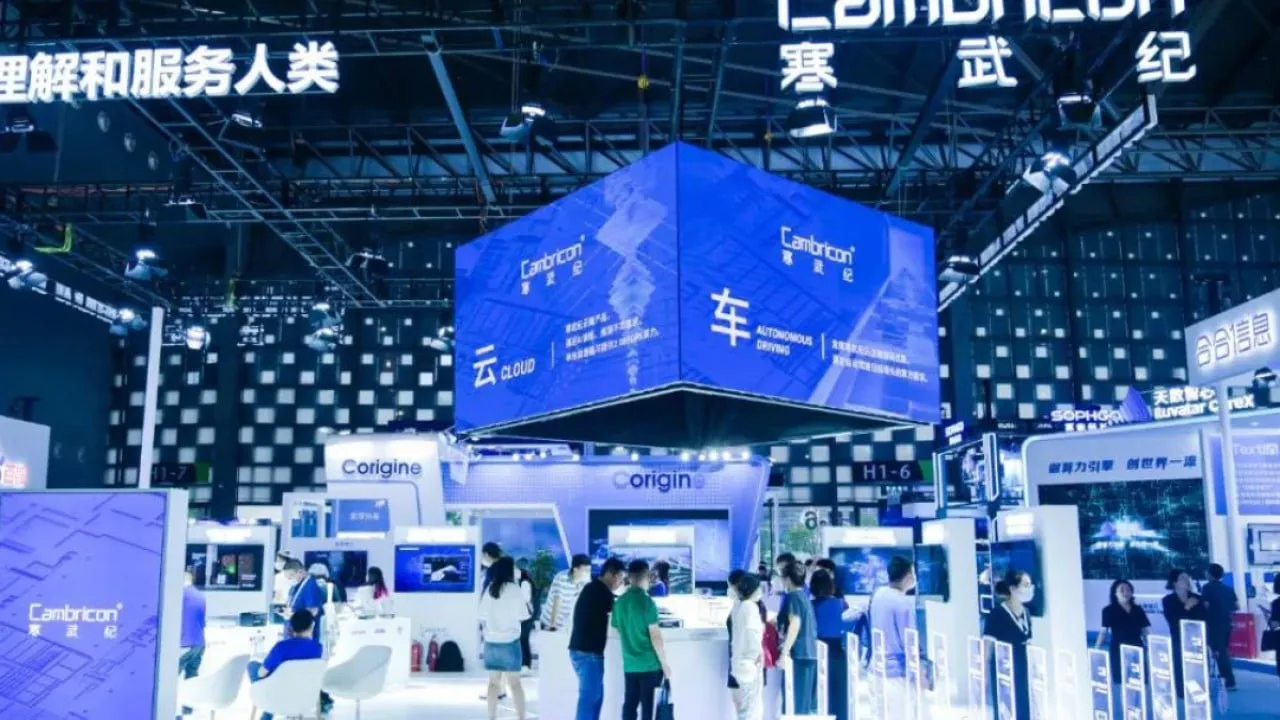
Cambricon Technologies Faces Minimal Impact from US Tariffs
Cambricon Technologies, a notable player in AI processors, reported that its overseas revenue accounts for less than 1% of its total income. Following inclusion in the US Entity List in 2022, the company anticipated a seamless transition through recent tariff increases. “The latest tariff increases will not substantially impact our operations,” the company stated.
Loongson Technology's Commitment to Independence
Loongson Technology also claimed that the latest tariffs are ineffective against their operations, underscoring their focus on self-sufficient development of chips and software.
Domestic Strategies Minimize Tariff Effects
- Leaguer Microelectronics noted its resources are primarily sourced within China.
- Longsys Electronics cited its Brazilian subsidiary as a buffer against tariff effects.
- Maxscend Microelectronics highlighted its strong domestic supply chain.
These narratives illustrate the ongoing decoupling between Chinese and American semiconductor sectors, showcasing a pronounced shift towards domestic resilience. Analysts express that these tariff complexities might accelerate the adoption of localized innovation.
Insight from Industry Analysts
Gu Wenjun from ICwise states that tariffs could promote a self-reliant supply chain. Fan Zhiyuan from Sinolink Securities views the decoupling as beneficial for China's semiconductor industry.
China’s integrated circuit exports reached 298.11 billion units, with an impressive valuation of US$159.5 billion in 2024. With accumulating pressure from tariffs, the landscape indicates potential price surges for tech products, including Apple’s iPhones.
This article was prepared using information from open sources in accordance with the principles of Ethical Policy. The editorial team is not responsible for absolute accuracy, as it relies on data from the sources referenced.